Introduction
As someone who’s battled oily skin my entire life, I know firsthand that winter brings its own unique challenges. That shine-free complexion we dream about? It can seem even more elusive when cold weather hits. I’ve spent years perfecting my winter skincare routine for oily skin, often learning the hard way that what works in summer can backfire in December. The good news? I’ve discovered that with the right approach, winter can actually be a season when oily skin thrives. Let me walk you through the 10 essential steps that have transformed my winter skincare game—and can transform yours too.
Understanding Oily Skin in Winter

Here’s something that confused me for years: my skin would be an oil slick in summer, but come winter, I’d have bizarre combination of oily patches and flaky areas. What gives? It turns out that oily skin in winter responds to the harsh environment by going into overdrive.
When cold air and indoor heating strip away moisture, our sebaceous glands panic and produce even more oil to compensate. It’s like your skin’s misguided protection mechanism. I used to make the mistake of using harsher products to combat the oil, which only made things worse by triggering even more sebum production.
The key insight that changed everything for me was realizing that winter skincare for oily skin isn’t about fighting the oil—it’s about balancing hydration. Once I understood this fundamental principle, everything else fell into place.
Pro Tip: Keep a skin journal during seasonal transitions. I track how my skin responds to different weather conditions, which has helped me anticipate and prevent winter oiliness before it starts.
Step 1: Choose a Gentle Cleanser
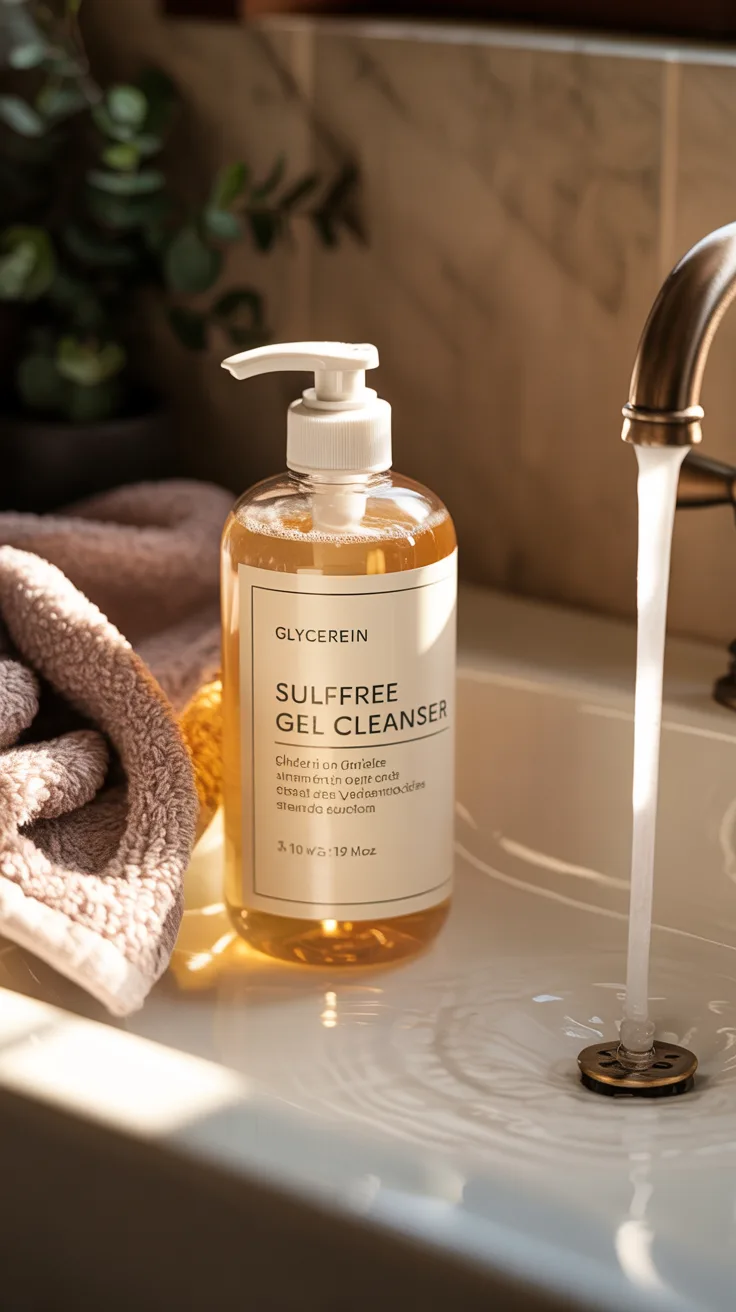
The foundation of any winter skincare routine starts with cleansing. I made the classic mistake of using harsh, foaming cleansers year-round because I thought my oily skin needed that “squeaky clean” feeling. Big mistake! That tightness after washing? It’s your skin screaming for help.
In winter, I switch to a sulfate-free gel cleanser that removes excess oil without stripping my skin. Look for ingredients like glycerin or ceramides that cleanse while maintaining your skin barrier. My personal game-changer was finding a cleanser with salicylic acid at a lower concentration (around 0.5-1%) than my summer products (usually 2%).
I’ve found that washing my face with lukewarm—never hot—water makes a tremendous difference too. Hot water might feel great on a cold day, but it strips away natural oils and triggers more oil production.
Pro Tip: If your skin feels tight after cleansing, your cleanser is too harsh for winter use. Try cleansing only at night and simply rinsing with water in the morning.
Step 2: Exfoliate Regularly but Not Too Often
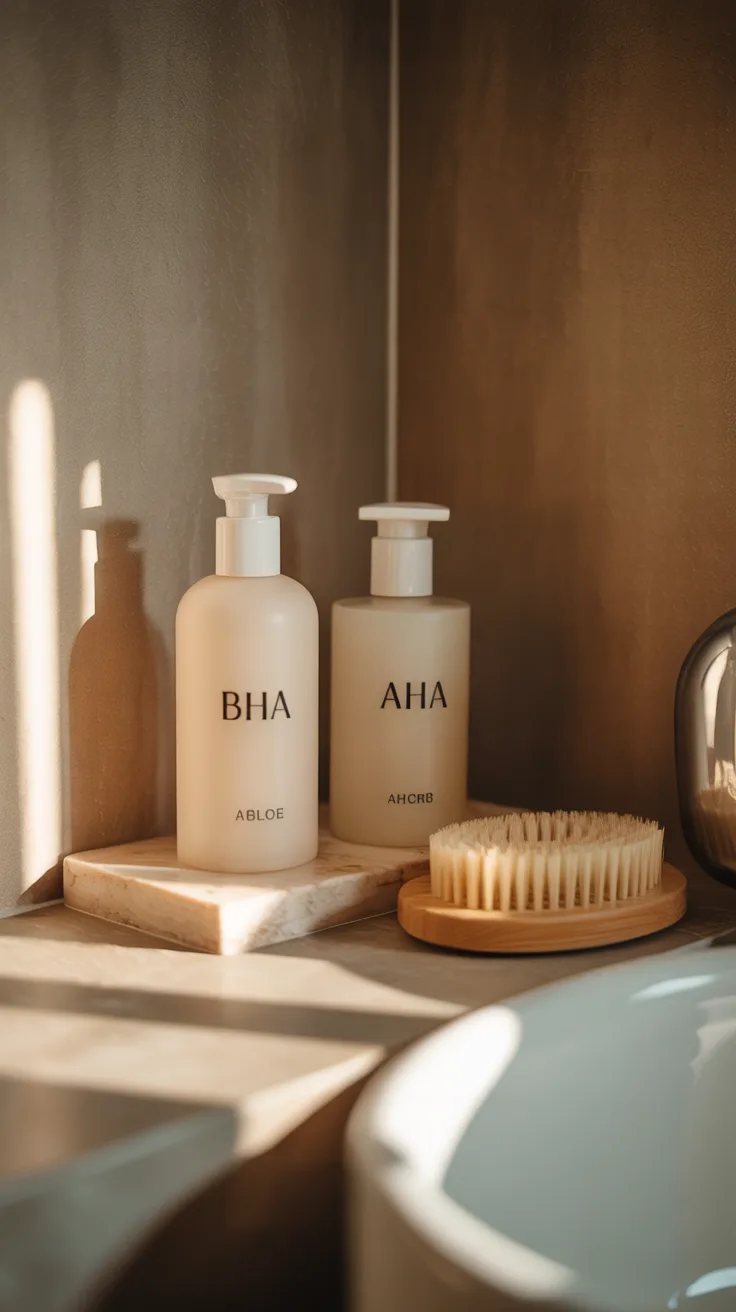
Exfoliation is where I see most of my oily-skinned friends go wrong in winter. When you notice flaky patches alongside oiliness, the temptation is to scrub them away daily. I’ve been there, and trust me—it backfires spectacularly.
I’ve found that scaling back to exfoliating just 1-2 times weekly during winter is the sweet spot. Chemical exfoliants like BHAs (salicylic acid) are particularly effective for oily skin because they can penetrate oil and clear out pores. But in winter, I alternate with gentler AHAs like lactic acid to prevent irritation.
One winter, I over-exfoliated and damaged my skin barrier, which led to the worst oil production I’d ever experienced. It took weeks to repair. Now I’m religious about moderate exfoliation, and my skin thanks me with fewer breakouts and less oil.
Pro Tip: If you’re using retinol or retinoids, you may need to exfoliate even less frequently—once every 7-10 days might be sufficient.
Step 3: Use a Hydrating Toner
For years, I reached for astringent, alcohol-heavy toners that promised to control oil. They left my skin temporarily matte but ultimately more oily. The revelation came when I switched to hydrating toners in winter.
Alcohol-free toners with ingredients like hyaluronic acid, glycerin, or rose water have become my winter staples. They add that crucial layer of hydration that tells my skin it doesn’t need to produce more oil. I apply mine while my skin is still damp from cleansing, which helps lock in moisture.
I’ve noticed that using a hydrating toner has actually reduced my need for blotting papers throughout the day—something I never thought possible in my oily-skinned life.
Pro Tip: Keep your hydrating toner in the refrigerator for an extra refreshing application that also helps temporarily reduce the appearance of enlarged pores.
Step 4: Apply a Lightweight Moisturizer
“But I have oily skin, I don’t need moisturizer!” This was my mantra for years, and it was completely wrong. Skipping moisturizer was probably the biggest mistake in my winter skincare routine.
The breakthrough came when I discovered gel-cream hybrid moisturizers. These lightweight formulas provide hydration without heaviness. I look for non-comedogenic options with ingredients like niacinamide (which regulates oil production) and hyaluronic acid (which hydrates without adding oil).
What surprised me most was discovering that using the right moisturizer actually reduced my skin’s oil production over time. My skin no longer feels the need to compensate with excess sebum because it’s properly hydrated.
Pro Tip: Apply moisturizer while your skin is slightly damp from toner to maximize hydration with a smaller amount of product.
Step 5: Incorporate a Serum
Serums were intimidating to me at first—they seemed like something that would make my already-oily skin worse. But finding the right serum has been transformative for my winter skin health.
I focus on lightweight, water-based serums with ingredients that address both oil control and winter skin needs. Niacinamide (vitamin B3) has been my holy grail ingredient—it regulates oil production, strengthens the skin barrier, and reduces the appearance of pores. For nighttime, I’ll occasionally use a retinol serum, which helps with cell turnover and prevents the dead skin buildup that can trigger oiliness.
I made the mistake of using too many serums at once one winter, which overwhelmed my skin. Now I stick to one targeted serum in the morning and one at night.
Pro Tip: If you’re using multiple serums, apply the thinnest consistency first and allow each layer to absorb for 30-60 seconds before applying the next.
Step 6: Don’t Skip Sunscreen
I used to think I could skip sunscreen in winter, especially on cloudy days. This was before I learned that UV rays can penetrate clouds and windows, and that sun damage contributes to increased oil production and enlarged pores over time.
Finding a sunscreen that doesn’t make oily skin worse in winter took some trial and error. I’ve had the best results with lightweight, matte-finish mineral sunscreens. Look for zinc oxide formulations labeled “non-comedogenic” with SPF 30 or higher.
One winter, I skipped sunscreen while skiing, assuming the cold would protect me. The resulting sunburn triggered a terrible bout of oiliness and breakouts. Never again!
Pro Tip: Many Asian beauty sunscreens are formulated specifically for oily skin and provide excellent protection without the heavy, greasy feel of traditional sunscreens.
Step 7: Use Face Masks Wisely
Face masks can be powerful tools in a winter skincare routine for oily skin—if used correctly. I’ve learned to be strategic about masking rather than using the same mask year-round.
In winter, I alternate between two types of masks: clay-based masks (like bentonite or kaolin) to absorb excess oil once a week, and hydrating gel masks to replenish moisture another day of the week. This balanced approach keeps oil in check without dehydrating my skin.
My worst mask mistake? Using a clay mask three times in one week during a particularly oily winter spell. My skin rebounded with even more oil production and irritation. Lesson learned: moderation is key.
Pro Tip: Try multi-masking by applying a clay mask only to your T-zone and a hydrating mask on drier areas for a customized treatment.
Step 8: Maintain a Healthy Diet
I’ve noticed a clear correlation between my diet and my skin’s oil production, especially in winter when I’m tempted by comfort foods. High-glycemic foods and dairy products seem to trigger more oiliness for me personally.
Instead, I focus on incorporating foods that support skin health: fatty fish rich in omega-3s, nuts and seeds, colorful fruits and vegetables, and green tea. I’ve found that adding zinc-rich foods like pumpkin seeds and chickpeas has helped regulate my oil production.
One winter, I went overboard with sugary holiday treats for weeks, and my skin’s oil production went haywire. Now I practice moderation and notice a significant difference in how balanced my skin remains.
Pro Tip: If you notice certain foods trigger oiliness, try eliminating them for two weeks and slowly reintroduce them to confirm the connection.
Step 9: Stay Hydrated
It seems counterintuitive that drinking water helps oily skin, but dehydration actually triggers more oil production. In winter, I’m less naturally thirsty, so I have to be intentional about hydration.
I aim for at least 8-10 glasses of water daily and supplement with herbal teas. I’ve also found that limiting dehydrating beverages like alcohol and caffeine makes a noticeable difference in my skin’s oil balance.
To make hydration easier in winter, I keep a thermal water bottle with me and set reminders on my phone. I also count warm herbal teas toward my daily intake, which makes staying hydrated more appealing on cold days.
Pro Tip: Add a humidifier to your bedroom in winter. I’ve found this single change has dramatically improved my skin’s hydration levels and reduced oiliness.
Step 10: Adjust Your Routine as Needed
Perhaps the most important lesson I’ve learned is that winter skincare isn’t static. Some winter days are harsh and dry, while others might be milder. My skin’s needs change accordingly.
I pay attention to how my skin feels each day and adjust my routine. On particularly dry, windy days, I might skip exfoliation and add an extra hydrating layer. During a mid-winter warm spell, I might use my more clarifying products.
The biggest mistake I made for years was rigidly sticking to the same routine regardless of how my skin was responding. Now I see skincare as a conversation with my skin rather than a set of rules.
Pro Tip: Keep a “skincare wardrobe” with options for different conditions. I have heavier and lighter moisturizers that I rotate based on daily needs rather than completely overhauling my routine.
Frequently Asked Questions
Can oily skin become dry in winter?
Absolutely! I’ve experienced this myself. Oily skin can become dehydrated in winter, which means it lacks water while still producing oil. This creates that confusing combination of oiliness and flakiness. The key is adding water-based hydration rather than oil-based products.
How often should I exfoliate oily skin in winter?
From my experience, cutting back to 1-2 times weekly is ideal for most people with oily skin during winter. I’ve found that over-exfoliating in winter creates a vicious cycle of irritation and increased oil production.
What ingredients should I avoid in winter skincare products for oily skin?
I’ve learned to avoid high concentrations of alcohol, fragrance, and harsh sulfates in winter, as they can disrupt the skin barrier. Also, be cautious with products containing multiple acids or exfoliants, which can be too aggressive for winter use.
Is it necessary to use sunscreen during winter for oily skin?
Yes, absolutely necessary! I made this mistake for years. UV rays are present year-round and can penetrate clouds and windows. Sun damage contributes to long-term oil production issues and enlarged pores.
Can diet affect oily skin during winter?
In my experience, diet has a significant impact on oily skin, especially in winter when we tend to eat differently. I’ve noticed that high-sugar foods, dairy, and processed carbohydrates can trigger increased oil production in my skin within 24-48 hours.