Introduction to Castor Oil
I’ll be honest with you—when I first heard about using castor oil for your face, I was skeptical. The thick, sticky texture seemed like the last thing I’d want to slather on my skin. But after struggling with dry patches and uneven skin tone for years, I decided to give it a shot. That was three years ago, and I haven’t looked back since.
Castor oil comes from the seeds of the Ricinus communis plant, and it’s been used for centuries in traditional medicine and beauty routines. What makes it special is its high concentration of ricinoleic acid—a unique fatty acid that gives this oil its remarkable healing properties. Whether you’re dealing with stubborn acne, premature aging, or just want healthier-looking skin, castor oil might be the affordable solution you’ve been searching for.

Nourishing Properties That Transform Your Skin
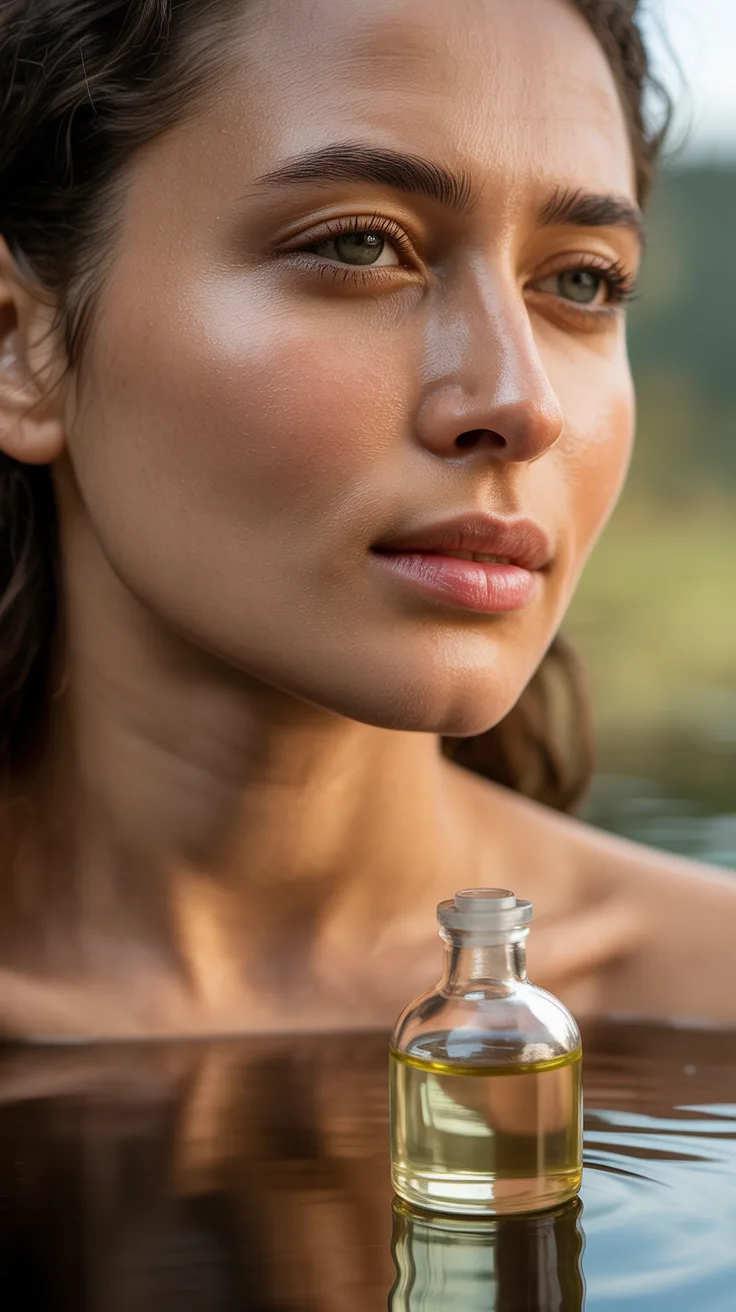
The first thing I noticed when I started using castor oil was how deeply it seemed to feed my skin. Unlike lighter oils that sit on the surface, castor oil actually penetrates into the deeper layers of your skin, delivering nutrients where they’re needed most.
Here’s what makes castor oil so nourishing:
- Rich in omega-6 and omega-9 fatty acids that support skin cell regeneration
- Contains vitamin E, a powerful antioxidant that protects against environmental damage
- Provides essential minerals that promote healthy skin function
- Supports the skin’s natural barrier, keeping irritants out
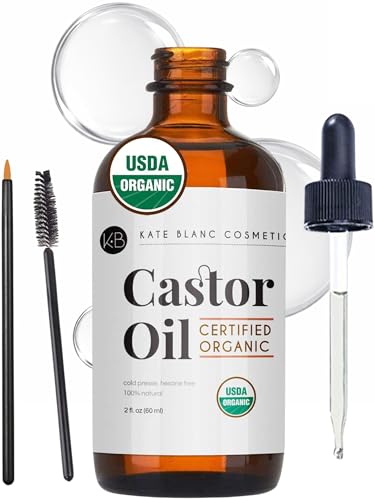
View on AmazonAs an Amazon Associate, I earn from qualifying purchases.

View on AmazonAs an Amazon Associate, I earn from qualifying purchases.
Pro Tip: I made the mistake of using too much castor oil at first. Start with just 2-3 drops and warm it between your palms before applying. A little goes a long way, and your skin will thank you for not overwhelming it.
Moisturizing Benefits You Can Feel
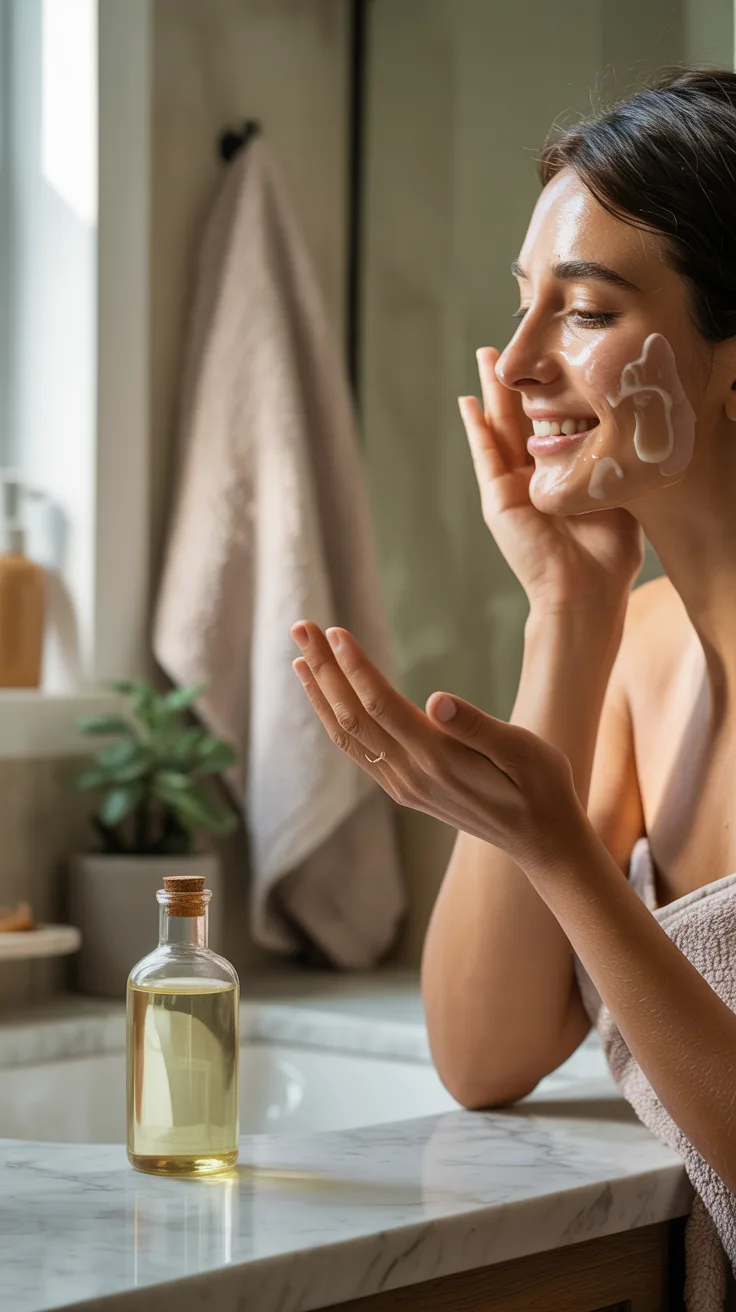
If you’ve ever woken up with tight, flaky skin, you know how frustrating dryness can be. Castor oil works as a humectant, meaning it draws moisture from the air into your skin and locks it in. This is different from many commercial moisturizers that only provide temporary relief.
The moisturizing benefits include:
- Long-lasting hydration that doesn’t evaporate quickly
- Softening of rough patches and dry areas
- Prevention of moisture loss throughout the day or night
- Improved skin elasticity from consistent hydration
I remember one winter when my cheeks were so dry they actually cracked. After just one week of nightly castor oil application, the difference was remarkable. My skin felt plump and comfortable for the first time in months.

View on AmazonAs an Amazon Associate, I earn from qualifying purchases.

View on AmazonAs an Amazon Associate, I earn from qualifying purchases.
Acne Reduction Without Harsh Chemicals
This one surprised me the most. You’d think putting oil on acne-prone skin would be a disaster, right? But castor oil for your face actually helps combat breakouts in a gentle, natural way.
The secret lies in the oil cleansing method. Castor oil dissolves the sebum that clogs your pores, essentially fighting oil with oil. It also has natural antibacterial properties that target acne-causing bacteria without stripping your skin.
- Dissolves excess sebum and impurities
- Kills bacteria responsible for inflammatory acne
- Reduces redness and swelling around blemishes
- Prevents future breakouts with regular use
Pro Tip: If you have oily or acne-prone skin, mix castor oil with a lighter carrier oil like jojoba or grapeseed in a 1:3 ratio. This gives you the benefits without the heaviness.
Anti-Inflammatory Effects for Calm, Happy Skin
Inflammation is at the root of so many skin problems—redness, puffiness, irritation, and even premature aging. The ricinoleic acid in castor oil is a natural anti-inflammatory agent that can soothe your skin and reduce these issues.
I’ve found this particularly helpful after sun exposure or when my skin reacts to a new product. A thin layer of castor oil calms everything down within hours. It’s also been a lifesaver for those times when I’ve over-exfoliated and left my skin barrier compromised.
- Reduces redness and irritation quickly
- Soothes sunburned or windburned skin
- Calms reactions from harsh skincare products
- Helps with conditions like rosacea and eczema (always patch test first)
Antimicrobial Properties That Protect Your Skin
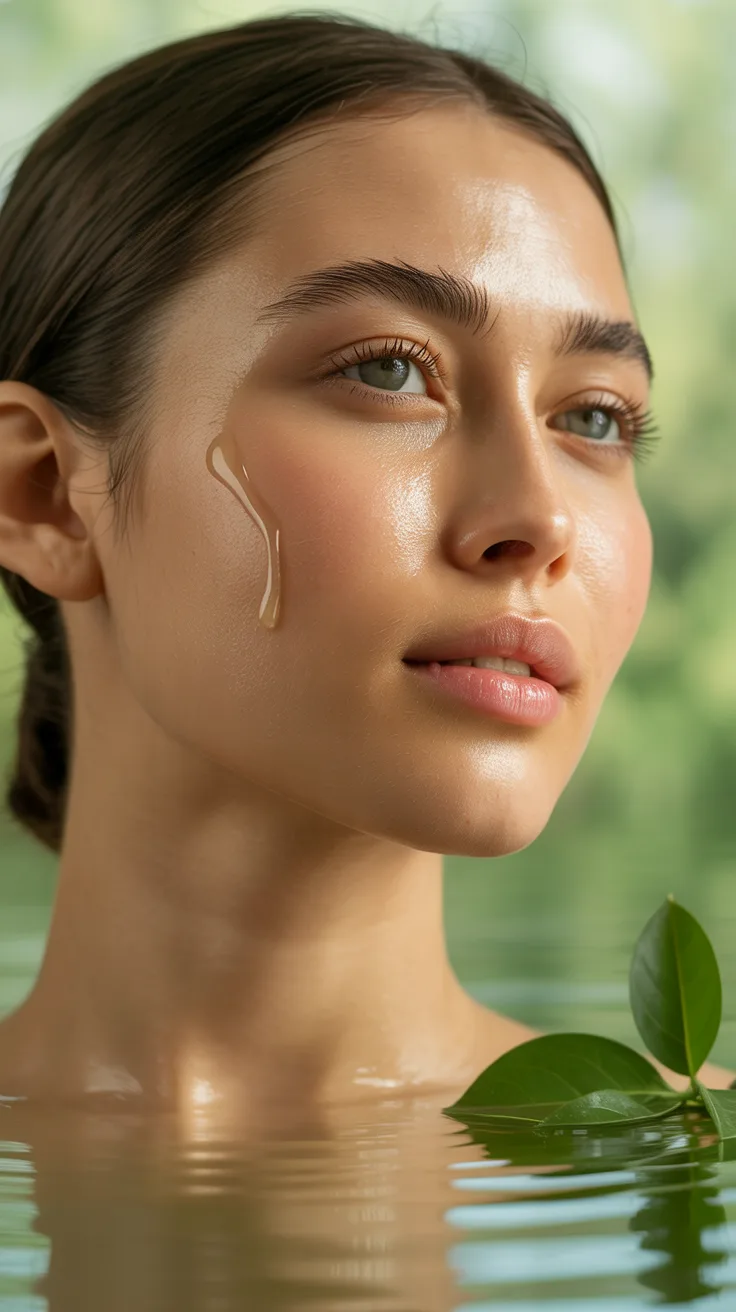
Your face is constantly exposed to bacteria, fungi, and other microorganisms that can cause infections and breakouts. Castor oil creates a protective barrier while actively fighting these harmful invaders.
Studies have shown that castor oil is effective against several strains of bacteria, including Staphylococcus aureus, which is commonly found on the skin. This makes it an excellent choice for maintaining overall skin health.
- Fights bacteria that cause skin infections
- Protects against fungal growth
- Supports wound healing by keeping the area clean
- Creates a protective barrier against environmental pollutants
Anti-Aging Benefits of Castor Oil for Your Face
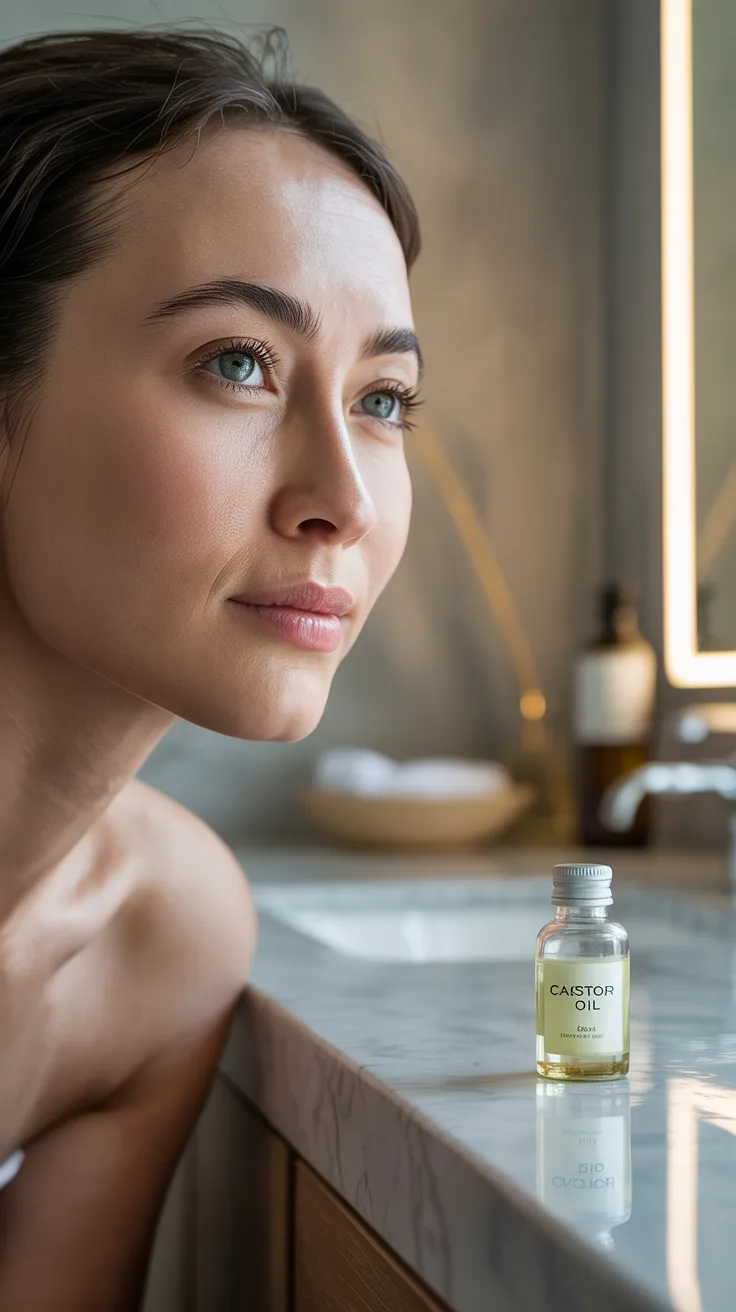
Here’s where things get really exciting. Using castor oil for your face regularly can help turn back the clock on aging skin. The antioxidants in castor oil fight free radicals—those pesky molecules that break down collagen and cause wrinkles.
But it’s not just about prevention. Castor oil also stimulates the production of collagen and elastin, the proteins responsible for keeping your skin firm and bouncy. I’ve noticed that the fine lines around my eyes have softened considerably since I started incorporating castor oil into my routine.
- Reduces the appearance of fine lines and wrinkles
- Boosts collagen and elastin production
- Improves skin firmness and elasticity
- Provides deep hydration that plumps aging skin
Pro Tip: Gently pat castor oil around your eye area before bed. The skin there is thinner and shows aging first, so it benefits most from this nourishing treatment.
Scar and Spot Reduction
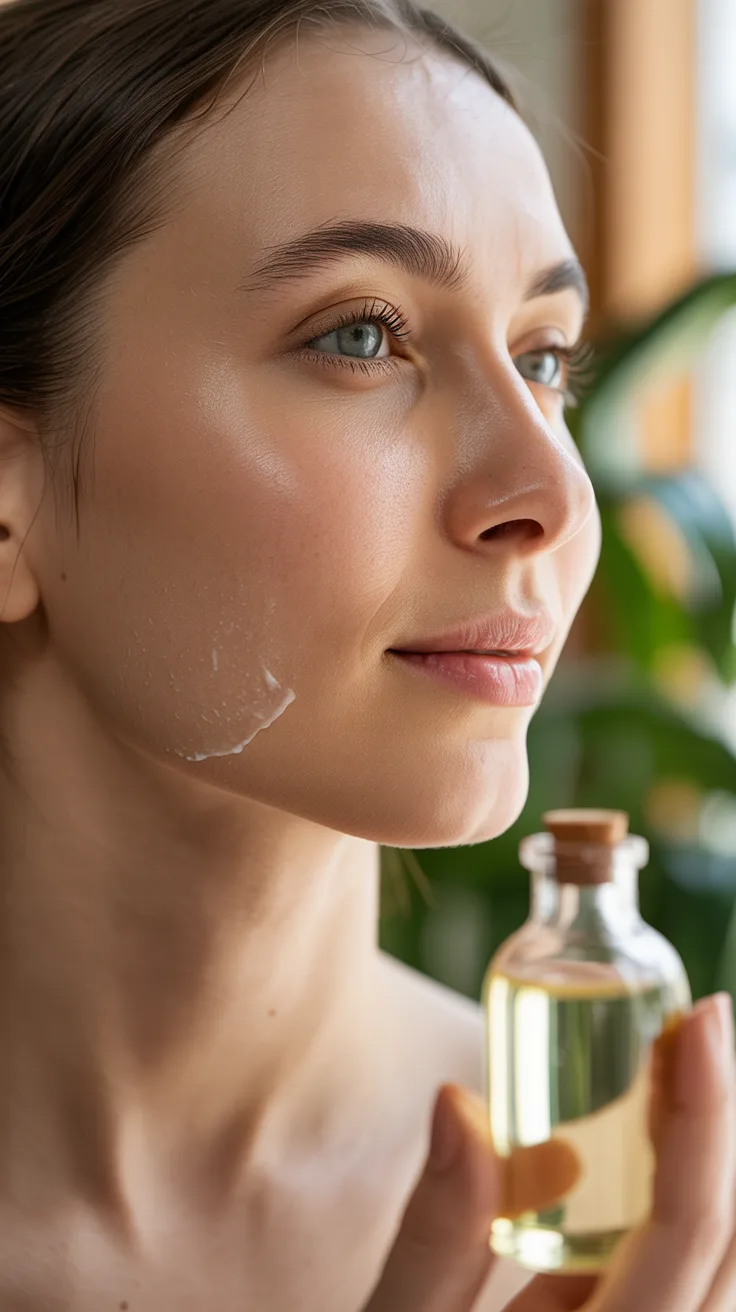
Whether you’re dealing with acne scars, dark spots from sun damage, or marks from old injuries, castor oil can help fade them over time. The fatty acids penetrate deep into scar tissue, promoting the growth of healthy new skin cells.
I had a stubborn acne scar on my chin that I’d been self-conscious about for years. After about three months of consistent castor oil application, it had faded significantly. It’s not magic—it takes patience—but the results are real.
- Promotes healthy tissue regeneration
- Fades hyperpigmentation and dark spots
- Softens and flattens raised scars
- Improves overall skin texture
Improving Skin Tone Naturally

Uneven skin tone can make you look tired and older than you are. Castor oil helps balance your complexion by reducing pigmentation and promoting cell turnover. The result is brighter, more radiant skin that looks healthy and vibrant.
- Evens out skin discoloration
- Brightens dull, tired-looking skin
- Reduces the appearance of age spots
- Promotes a natural, healthy glow
Application Tips for Best Results

Getting the most out of castor oil requires proper application. Here’s the routine that’s worked best for me after years of experimentation:
Start with a completely clean face—remove all makeup and wash with a gentle cleanser. While your skin is still slightly damp, warm 2-3 drops of castor oil between your palms. Press the oil gently into your skin using upward motions, focusing on problem areas. Allow it to absorb for at least 20 minutes before applying other products or going to bed.
Pro Tip: Once a week, I do a castor oil steam treatment. I apply the oil, then hold my face over a bowl of warm water with a towel draped over my head for 5 minutes. This opens pores and helps the oil penetrate deeper.
Potential Side Effects to Watch For
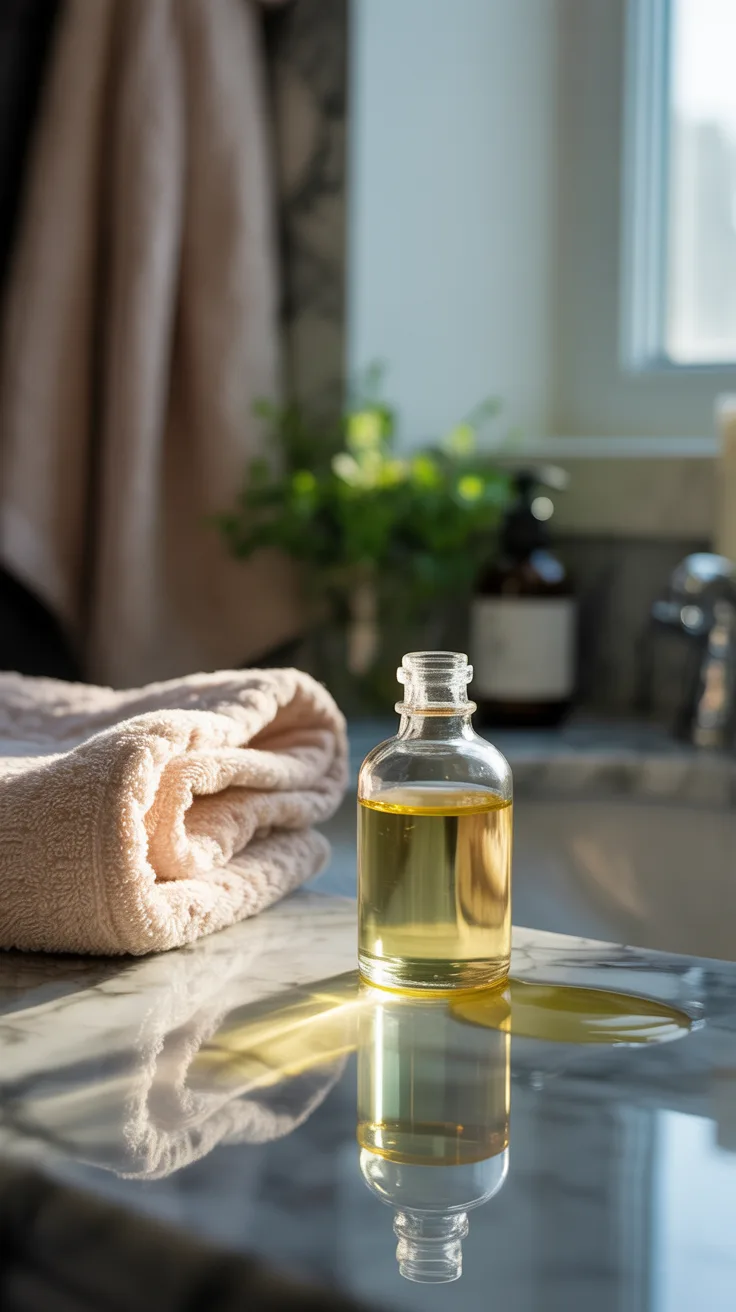
While castor oil is generally safe, it’s not for everyone. Some people experience allergic reactions, especially those with sensitive skin. Always do a patch test on your inner arm 24 hours before applying to your face.
If you use too much, castor oil can clog pores and cause breakouts—I learned this the hard way during my first month. Stick to small amounts and pay attention to how your skin responds. If you notice increased breakouts, redness, or irritation, reduce the frequency of use or dilute with a lighter oil.
Pregnant women should consult their doctor before using castor oil, as it has been traditionally used to induce labor and may have effects when absorbed through the skin.
Frequently Asked Questions
Is castor oil safe for all skin types?
Castor oil is generally safe for most skin types, but those with very sensitive or acne-prone skin should proceed with caution. Always perform a patch test first, and consider diluting with a lighter carrier oil if you have oily skin.
How often should I use castor oil on my face?
For most people, 2-3 times per week is ideal. If your skin tolerates it well and you have dry skin, you can gradually increase to nightly use. Listen to your skin and adjust accordingly.
Can castor oil clog pores?
Yes, if used in excessive amounts. Castor oil is comedogenic, meaning it has the potential to clog pores. Use sparingly—just a few drops—and always cleanse properly before application.
What is the best time to apply castor oil on the face?
Nighttime is ideal because the oil has several hours to absorb and work while you sleep. Your skin also goes into repair mode at night, making it the perfect time for nourishing treatments.
Are there any natural alternatives to castor oil?
If castor oil doesn’t work for you, consider jojoba oil (great for oily skin), rosehip oil (excellent for anti-aging), or argan oil (perfect for dry skin). Each offers similar moisturizing benefits with different textures and properties.