Castor oil has been used in natural skincare for centuries because of its rich concentration of ricinoleic acid, antioxidants, and nourishing fatty acids. Although it’s best known as a traditional home remedy, castor oil continues to be a popular ingredient in modern beauty routines for people looking to hydrate, soften, and improve the appearance of their skin.
Its thick texture helps lock in moisture while supporting the skin’s natural protective barrier. Whether used as an overnight moisturizer, facial oil, or body treatment, castor oil offers several benefits that make it a valuable addition to many skincare routines.
This guide explores ten benefits of castor oil for skin, along with practical tips for using it safely and effectively.

1. Deeply Moisturizes Dry Skin

One of the biggest benefits of castor oil is its ability to provide long-lasting hydration. The fatty acids create a protective barrier that helps reduce moisture loss while leaving skin feeling softer and smoother.
Apply a small amount to slightly damp skin after showering or washing the face to help seal in moisture. Dry areas such as elbows, knees, heels, and hands often benefit the most from regular application.
- Helps prevent moisture loss.
- Softens rough or flaky skin.
- Provides long-lasting hydration.
- Works well as an overnight treatment.

View on AmazonAs an Amazon Associate, I earn from qualifying purchases.

View on AmazonAs an Amazon Associate, I earn from qualifying purchases.
Pro Tip: A few drops are usually enough because castor oil spreads easily across damp skin.
2. Helps Reduce the Appearance of Acne

Castor oil contains ricinoleic acid, which has cleansing and soothing properties that make it a popular ingredient in oil cleansing routines. When used correctly, it can help remove excess oil, sunscreen, and makeup while leaving the skin moisturized.
Because castor oil has a thick consistency, many people blend it with lighter oils such as jojoba or grapeseed oil before applying it to acne-prone skin.
- Helps dissolve excess surface oils.
- Supports a cleaner-looking complexion.
- Leaves skin feeling soft after cleansing.
- Works well when blended with lighter facial oils.

View on AmazonAs an Amazon Associate, I earn from qualifying purchases.

View on AmazonAs an Amazon Associate, I earn from qualifying purchases.
Organic jojoba oil blends well with castor oil for oil cleansing.
3. Soothes Dry and Irritated Skin

Environmental factors such as cold weather, wind, and dry indoor air can leave skin feeling tight and uncomfortable. Castor oil helps replenish moisture while supporting the skin barrier, making dry skin feel more comfortable.
Apply a thin layer after moisturizing to help lock hydration into the skin. For larger dry areas on the body, gently massage the oil into clean skin before bedtime.
4. Supports the Skin’s Natural Healing Process
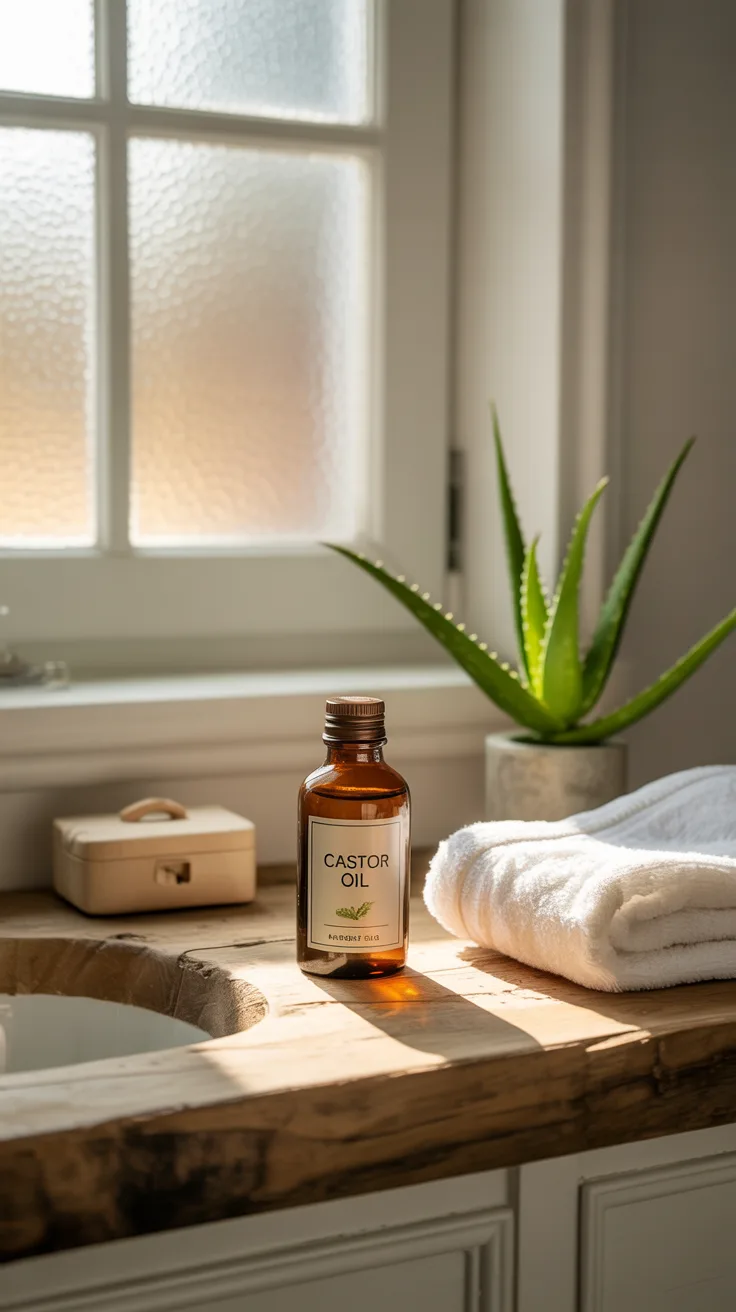
Healthy skin heals best when it remains clean and properly moisturized. Castor oil forms a protective barrier that helps reduce moisture loss while supporting the skin’s natural recovery process.
Minor dry patches, rough areas, and superficial skin irritation often benefit from consistent hydration. Castor oil should only be applied to intact skin or minor superficial skin concerns, and medical advice should always be sought for deeper wounds or signs of infection.
5. Helps Improve the Appearance of Fine Lines

Well-hydrated skin naturally appears smoother and more youthful. Castor oil contains fatty acids and antioxidants that help maintain moisture while supporting a healthy-looking complexion.
Although castor oil cannot eliminate wrinkles, regular use may reduce the appearance of fine lines caused by dry skin. Applying a small amount before bedtime allows the oil to work overnight while the skin naturally renews itself.
- Helps soften the appearance of fine lines.
- Supports smoother-looking skin.
- Provides antioxidant protection.
- Works well as an overnight facial treatment.
Rosehip seed oil pairs well with castor oil for an overnight facial treatment.
6. Helps Maintain Healthy-Looking Skin
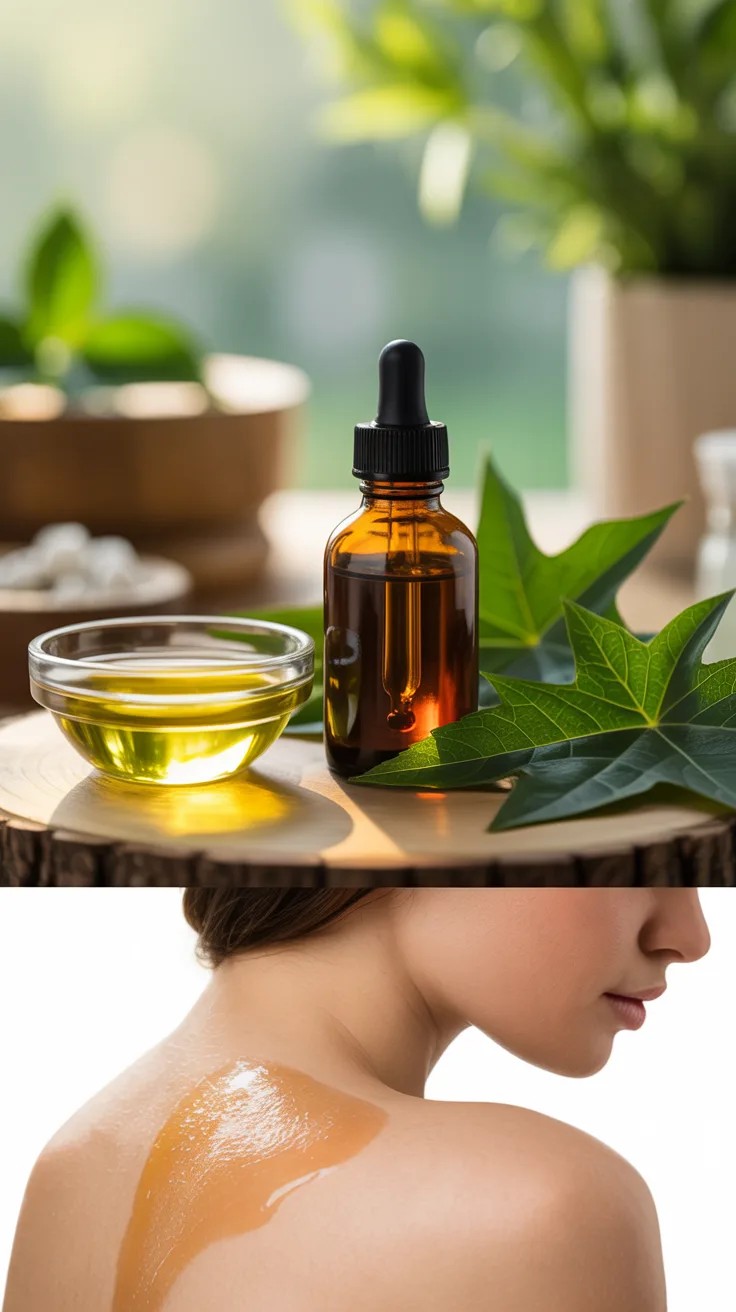
Healthy skin depends on a strong moisture barrier and a consistent skincare routine. Castor oil helps reduce moisture loss while supporting the skin’s natural protective barrier against everyday environmental stressors.
Adding castor oil to an evening skincare routine may help keep skin feeling soft, smooth, and comfortable throughout the year. Regular cleansing, moisturizing, and sun protection should remain the foundation of any skincare routine.
7. Reduces the Appearance of Puffiness

Dry skin around the eyes can make puffiness and fine lines appear more noticeable. A small amount of castor oil helps moisturize this delicate area, leaving it looking smoother and more refreshed.
Apply only a tiny amount using the ring finger and gently pat the oil around the orbital bone without allowing it to enter the eyes.
A jade roller helps evenly massage facial oils into the skin.
8. Promotes a More Even-Looking Complexion
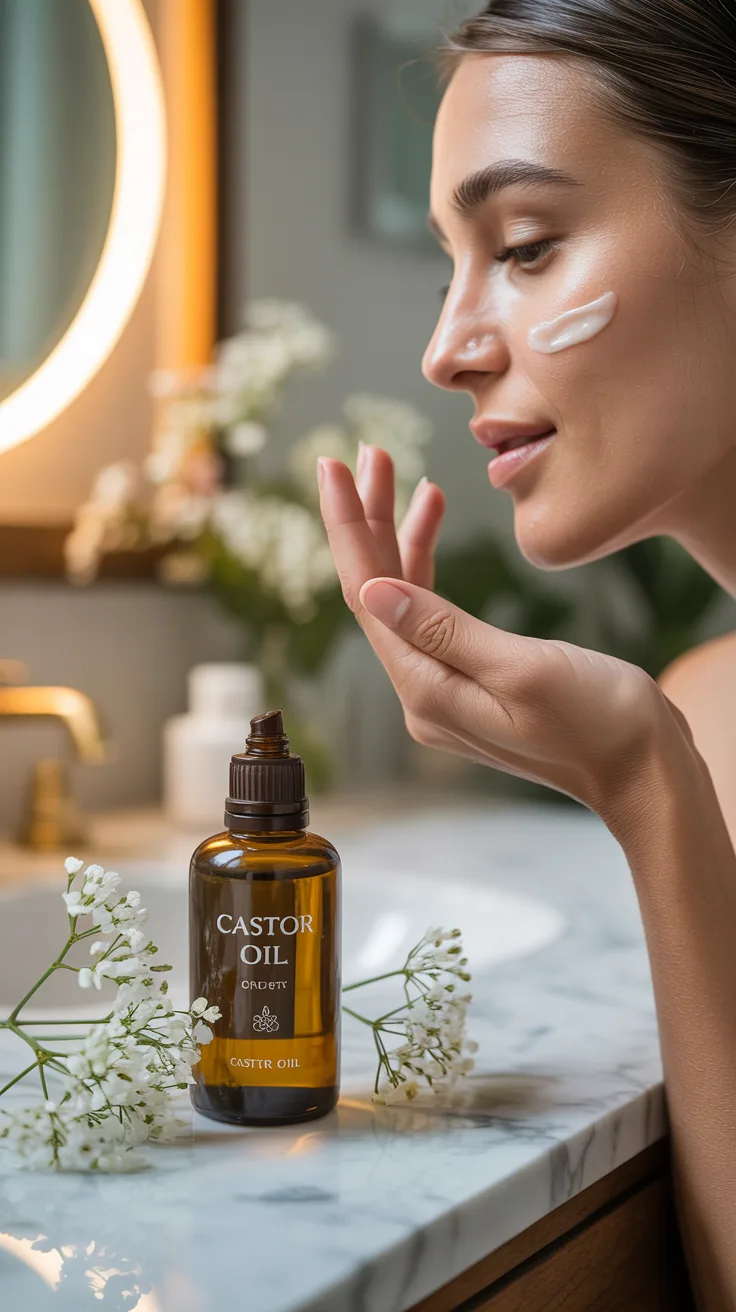
Well-moisturized skin often appears brighter and healthier because it reflects light more evenly. Regular hydration can also improve the appearance of rough texture caused by dryness.
Applying castor oil consistently as part of an overall skincare routine may leave skin looking smoother and more radiant over time. Combining it with sunscreen during the day also helps protect the complexion from future environmental damage.
9. Supports Skin Elasticity
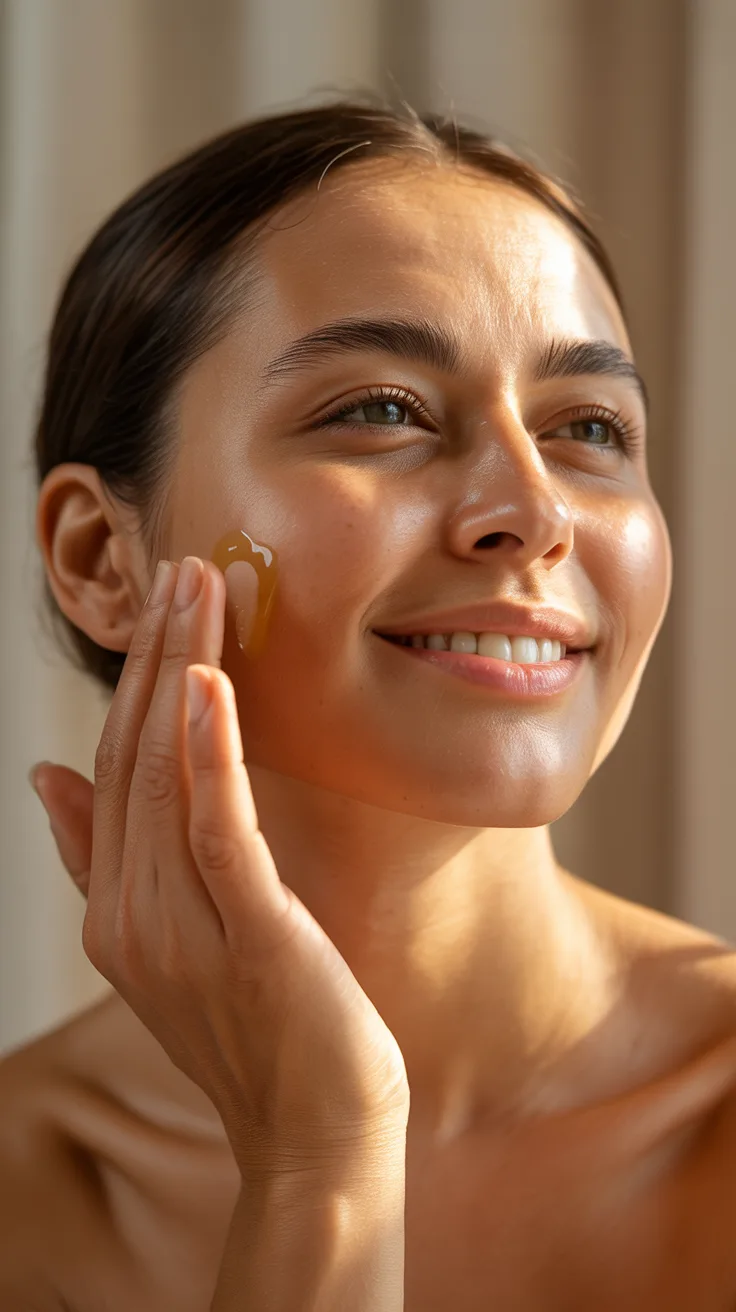
Healthy hydration plays an important role in maintaining skin that feels supple and resilient. Castor oil helps support moisture retention, which contributes to skin that looks firmer and feels softer.
Regular moisturizing combined with a balanced skincare routine, healthy diet, and adequate hydration provides the best long-term support for maintaining healthy-looking skin.
10. Creates a Healthy Natural Glow
One of the easiest ways to improve dull-looking skin is by restoring moisture. Hydrated skin naturally reflects light more evenly, creating a healthy glow without relying on makeup or highlighting products.
Use just a few drops of castor oil as the final step in an evening skincare routine or mix it with a lighter facial oil for a more lightweight finish. Consistent use often leaves skin looking smoother, softer, and more refreshed.
Amber glass dropper bottles are perfect for storing homemade facial oil blends.
How to Use Castor Oil on Your Skin

Using castor oil correctly helps maximize its moisturizing benefits while preventing the heavy feeling that can occur if too much is applied. Because the oil is naturally thick, a small amount goes a long way.
- Wash the skin with a gentle cleanser and pat it slightly dry.
- Place two or three drops of castor oil into the palms.
- Warm the oil by rubbing the hands together.
- Gently massage it onto the skin using small circular motions.
- Allow several minutes for the oil to absorb before applying additional skincare products.
- Use in the evening for overnight hydration or apply to particularly dry areas whenever needed.
Those with oily or combination skin may prefer blending castor oil with a lighter carrier oil such as jojoba, grapeseed, or sweet almond oil before application.
Sweet almond oil creates a lightweight blend with castor oil for daily skincare.
DIY Castor Oil Blends for Different Skin Types
Blending castor oil with other carrier oils allows the consistency to be customized for different skincare needs while still providing excellent hydration.
| Carrier Oil | Best For | Suggested Ratio |
|---|---|---|
| Jojoba Oil | Combination and oily skin | 1 part castor : 3 parts jojoba |
| Sweet Almond Oil | Dry and sensitive skin | 1 part castor : 2 parts almond |
| Rosehip Seed Oil | Mature skin | 1 part castor : 2 parts rosehip |
| Grapeseed Oil | Acne-prone skin | 1 part castor : 4 parts grapeseed |
Frequently Asked Questions
Is castor oil suitable for every skin type?
Castor oil is generally suitable for most skin types, but people with oily or acne-prone skin may prefer using smaller amounts or blending it with lighter carrier oils. Always perform a patch test before applying it to larger areas.
How often should castor oil be applied?
Most people use castor oil two or three times each week, although very dry skin may benefit from more frequent use. Adjust the routine based on how the skin responds.
Can castor oil replace a moisturizer?
Castor oil works best as the final step after a moisturizer or hydrating serum because it helps reduce moisture loss by sealing hydration into the skin.
Does castor oil clog pores?
Many people tolerate castor oil well, but because every skin type is different, it is best to begin with a small amount and monitor how the skin responds before increasing use.
Should castor oil be used in the morning or at night?
Nighttime application is often preferred because the thicker texture has several hours to absorb without interfering with sunscreen or makeup.
Conclusion
Castor oil remains one of the most versatile natural skincare ingredients thanks to its ability to deeply moisturize, support the skin barrier, soften rough patches, and improve the appearance of dry, dull skin. Its rich concentration of fatty acids makes it an excellent addition to both facial and body skincare routines.
Whether the goal is reducing dryness, creating a healthier-looking complexion, supporting smoother skin, or simply adding more moisture to a daily routine, castor oil offers an affordable option that pairs well with other nourishing plant oils. Using a high-quality cold-pressed oil and applying it consistently can help skin look softer, smoother, and more radiant over time.
Facial oil storage bottles are perfect for organizing homemade skincare blends.