Introduction
I’ll never forget the first time I discovered castor oil for hair. My hair was dry, brittle, and honestly, I’d almost given up on finding something that actually worked. A friend mentioned castor oil, and I thought, “Why not?” Fast forward a few months, and I was amazed at the transformation. My hair felt thicker, looked shinier, and those stubborn dry patches on my scalp had finally calmed down.
If you’ve been curious about incorporating this natural remedy into your hair care routine, you’re in the right place. I’ve spent years experimenting with different application methods, types of castor oil, and combinations with other ingredients. In this guide, I’m sharing everything I’ve learned—including the mistakes I made along the way—so you can get the best results without the trial and error.

Benefits of Castor Oil for Hair

Let me tell you, the benefits of castor oil go far beyond what I initially expected. This thick, golden oil is packed with ricinoleic acid, a unique fatty acid that makes up about 90% of its composition. This compound is what gives castor oil its remarkable moisturizing and anti-inflammatory properties.
Here’s what I’ve personally experienced and what research supports:
- Deep Moisturization: Castor oil penetrates the hair shaft and scalp, providing hydration that lighter oils simply can’t match. My once-flaky scalp became noticeably healthier within weeks.
- Promotes Hair Growth: By improving blood circulation to the scalp and nourishing hair follicles, castor oil creates an optimal environment for hair growth. I noticed less hair in my brush after about two months of consistent use.
- Reduces Dandruff: The antifungal and antibacterial properties help combat the microorganisms that contribute to dandruff and scalp irritation.
- Enhances Shine and Elasticity: The oil coats the hair cuticle, adding a beautiful natural shine and reducing breakage from styling.
- Strengthens Hair: Regular use helps fortify weak, damaged hair, making it more resilient to environmental stressors.
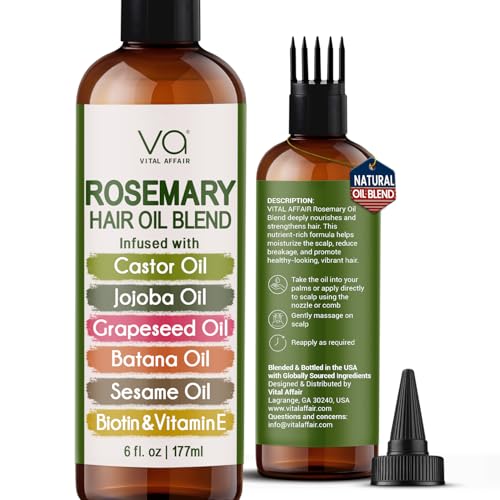
View on AmazonAs an Amazon Associate, I earn from qualifying purchases.

View on AmazonAs an Amazon Associate, I earn from qualifying purchases.
Pro Tip: If you’re dealing with split ends, apply a tiny amount of castor oil to the ends of your hair after styling. It acts as a sealant and makes your hair look healthier between trims.
Choosing the Right Castor Oil
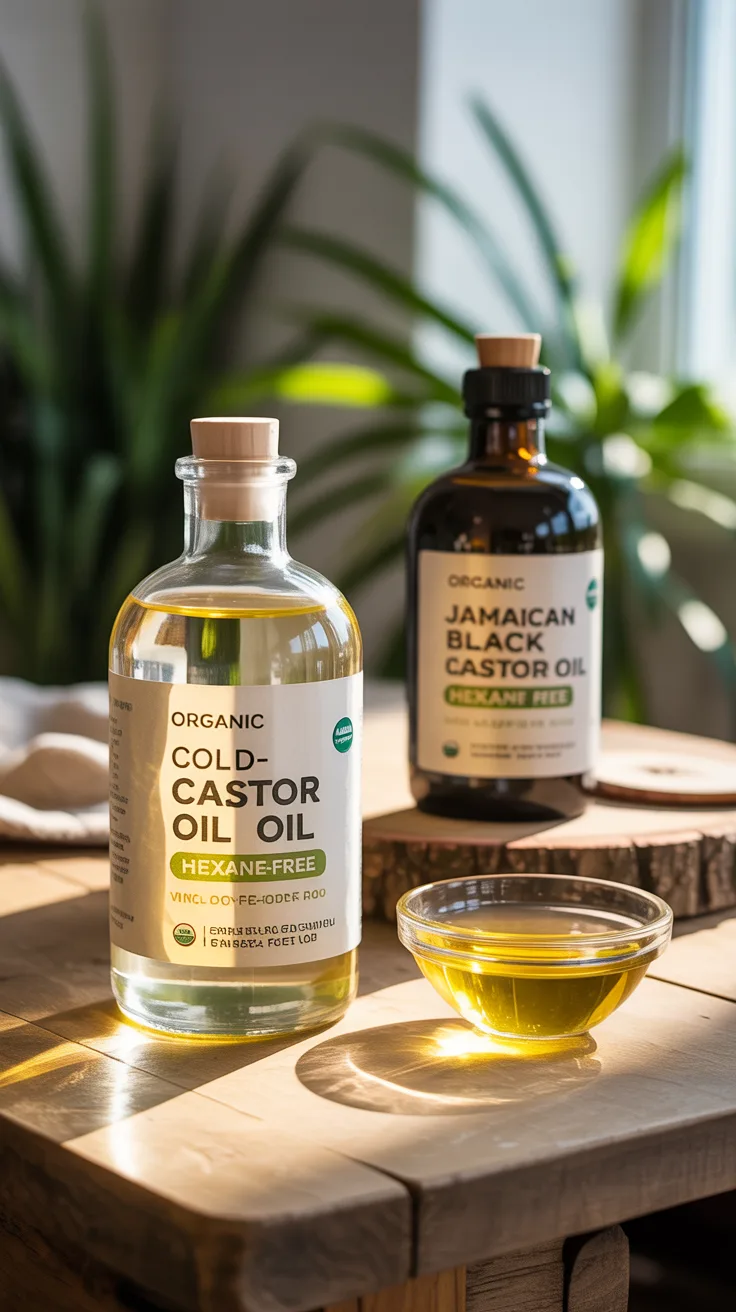
Here’s where I made my first mistake. I grabbed the cheapest castor oil I could find at the drugstore, not realizing that quality matters significantly. Not all castor oils are created equal, and choosing the right one can make or break your results.
Here are the main types you’ll encounter:
- Cold-Pressed Castor Oil: This is my go-to recommendation. The cold-pressing process preserves the oil’s nutrients, vitamins, and beneficial compounds. It’s pale yellow and has a mild, nutty scent.
- Jamaican Black Castor Oil (JBCO): Made by roasting castor beans before pressing, this oil has a darker color and smoky scent. It’s particularly popular for promoting hair growth and is excellent for thicker, coarser hair types.
- Hydrogenated Castor Oil: Avoid this for hair care—it’s primarily used in cosmetics and industrial applications.
When shopping, look for these qualities:
- Organic certification: Ensures no pesticides were used during cultivation
- Hexane-free: Hexane is a chemical solvent that can leave residues
- Unrefined: Retains more nutrients than refined versions
- Dark glass bottle: Protects the oil from light degradation

View on AmazonAs an Amazon Associate, I earn from qualifying purchases.

View on AmazonAs an Amazon Associate, I earn from qualifying purchases.
Pro Tip: If you have fine hair like mine, stick with regular cold-pressed castor oil. Jamaican Black Castor Oil can be too heavy and may weigh down thinner hair.
How to Apply Castor Oil to Your Hair

Application technique is everything. I learned this the hard way when I once slathered way too much oil on my hair and spent three washes trying to get it out. Castor oil for hair is incredibly thick, so a little goes a long way.
Here’s my tried-and-true method:
- Start with dry or slightly damp hair: I prefer applying to dry hair because it allows the oil to penetrate better without dilution.
- Warm the oil: Pour a small amount (about a tablespoon for medium-length hair) into your palms and rub them together. The warmth helps the oil spread more easily and enhances absorption.
- Section your hair: Divide your hair into four to six sections using clips. This ensures even distribution and prevents you from missing spots.
- Massage into scalp: Using your fingertips, gently massage the oil into your scalp in circular motions for 3-5 minutes. This stimulates blood flow and feels incredibly relaxing.
- Work through the lengths: Apply any remaining oil to the mid-lengths and ends of your hair, avoiding the roots if you have oily hair.
- Leave it in: For a basic treatment, leave the oil for 30 minutes to 2 hours. For intensive conditioning, leave it overnight.
- Wash thoroughly: You’ll likely need to shampoo twice to remove all the oil. Use warm water and a clarifying shampoo if necessary.
Pro Tip: Mix castor oil with a lighter carrier oil like coconut, jojoba, or sweet almond oil in a 1:1 ratio. This makes application easier and helps with removal while still delivering excellent results.
Frequency of Use
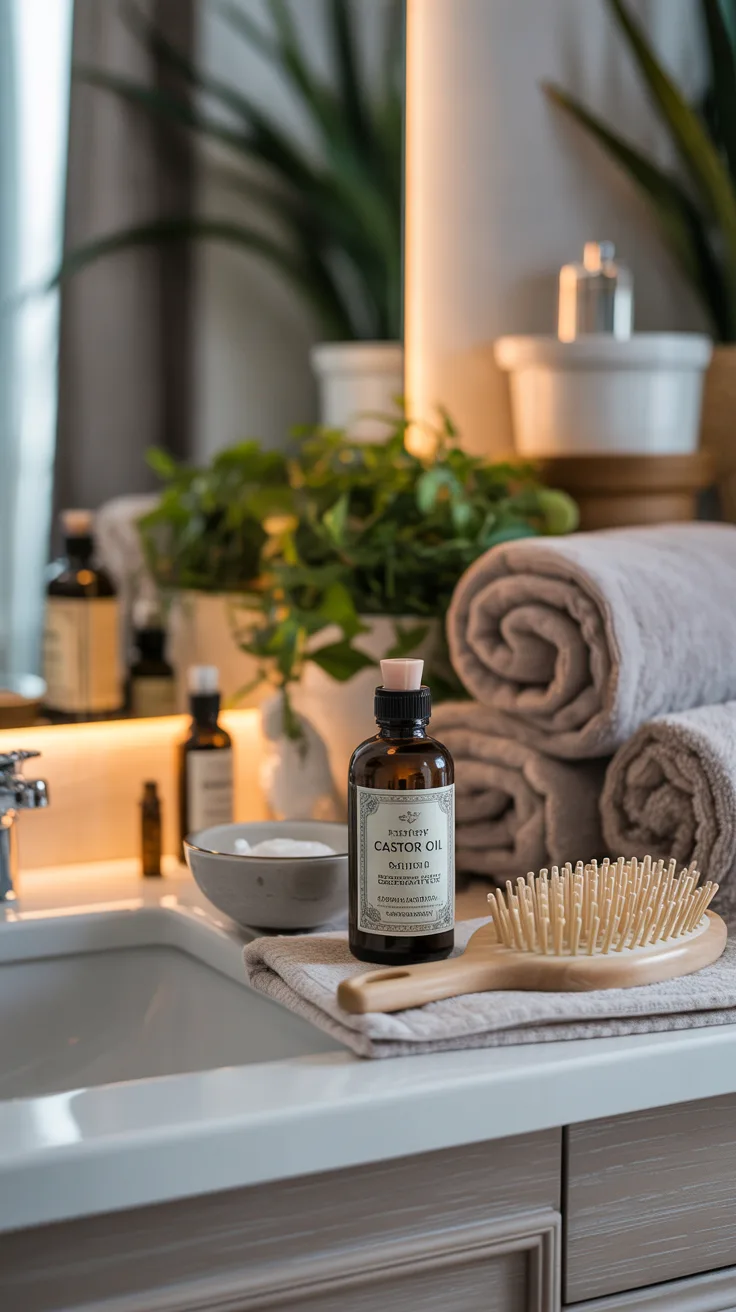
Finding the right frequency took me some experimentation. Initially, I was so excited about the results that I used castor oil every other day—big mistake. My hair became greasy, heavy, and actually started looking worse.
The sweet spot for most people is once or twice per week. However, this can vary based on your hair type and needs:
- Dry or damaged hair: Twice weekly treatments can provide intensive repair
- Normal hair: Once weekly is usually sufficient for maintenance
- Oily hair: Stick to once every 10-14 days, focusing primarily on the ends
- Curly or coily hair: Can often tolerate more frequent use due to natural dryness
Pay attention to how your hair responds. If it starts feeling weighed down or looks greasy even after washing, reduce the frequency. If your hair still feels dry, you might benefit from more frequent applications or longer treatment times.
Potential Side Effects

While castor oil for hair is generally safe, it’s not without potential drawbacks. Being aware of these can help you avoid uncomfortable situations.
Common side effects include:
- Scalp irritation: Some people experience redness, itching, or a burning sensation, especially with first-time use
- Allergic reactions: Though rare, some individuals may be allergic to castor oil or its components
- Hair matting: The thick consistency can cause tangles if not applied properly or if too much is used
- Buildup: Overuse can lead to product buildup, making hair look dull and feel heavy
- Acne: If the oil drips onto your face or neck, it may clog pores and cause breakouts
Managing Allergic Reactions
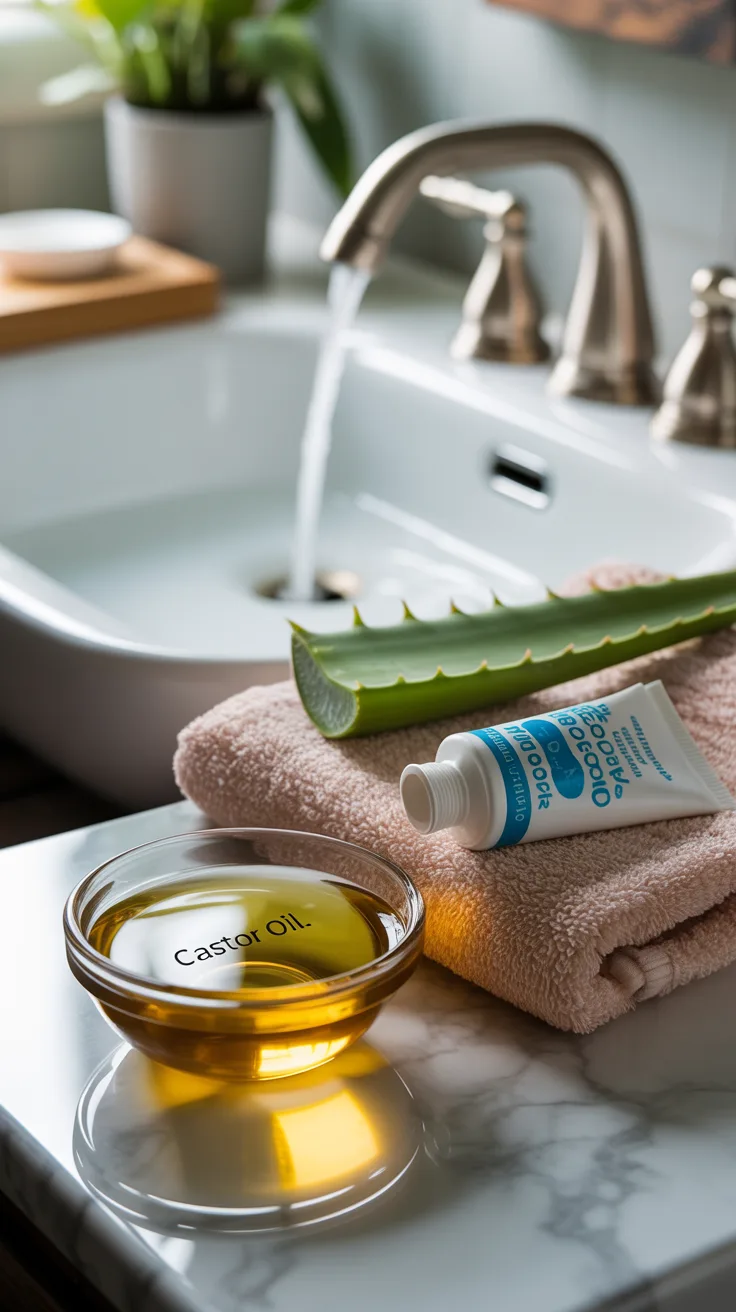
Before your first full application, always perform a patch test. Apply a small amount of castor oil to the inside of your elbow or behind your ear. Wait 24-48 hours and check for any signs of irritation, redness, or swelling.
If you experience an allergic reaction after applying castor oil to your hair:
- Immediately wash your hair with a gentle shampoo and lukewarm water
- Rinse thoroughly to remove all traces of the oil
- Apply a soothing agent like aloe vera gel or a mild hydrocortisone cream to affected areas
- Take an antihistamine if you experience widespread itching
- Seek medical attention if symptoms are severe or don’t improve within 24 hours
I once had a friend who skipped the patch test and ended up with an itchy scalp for days. Don’t make that mistake—those few minutes of testing are worth it.
Frequently Asked Questions
Can castor oil help with hair growth?
Yes, castor oil can support hair growth by moisturizing the scalp, improving blood circulation, and providing essential nutrients to hair follicles. While it won’t create new hair follicles, it can help existing hair grow stronger and reduce breakage, giving the appearance of thicker, fuller hair over time.
Is castor oil suitable for all hair types?
Castor oil can benefit most hair types, but the application method should vary. Those with fine or oily hair should use smaller amounts and focus on the ends, while those with thick, coarse, or curly hair can apply more generously. Always start with a small amount and adjust based on your hair’s response.
How long should I leave castor oil in my hair?
For a standard treatment, 30 minutes to 2 hours is sufficient. For deep conditioning, you can leave it overnight—just protect your pillowcase with a towel or wear a shower cap. I personally find that 1-2 hours gives me the best results without the hassle of overnight treatment.
Can I mix castor oil with other oils?
Absolutely! In fact, I recommend it. Mixing castor oil with lighter oils like coconut, argan, jojoba, or sweet almond oil makes it easier to apply and wash out. You can also add a few drops of essential oils like rosemary or peppermint for additional scalp-stimulating benefits.
What should I do if I experience irritation?
Stop using the oil immediately and wash your hair thoroughly. Apply a soothing treatment like aloe vera to calm the scalp. If irritation persists beyond 24-48 hours or is severe, consult a dermatologist. Consider that you might need to try a different brand or type of castor oil, as some formulations may contain additives that cause reactions.