Introduction
I’ll never forget the first time I discovered castor oil for skin. I was dealing with incredibly dry, flaky patches on my face during a brutal winter, and nothing seemed to work. A friend suggested I try this thick, golden oil that her grandmother swore by. Skeptical but desperate, I gave it a shot—and honestly, it changed my entire skincare routine.
Castor oil has been used for centuries as a natural remedy for various skin concerns, from dryness to inflammation. It’s one of those old-school ingredients that’s making a major comeback in the beauty world, and for good reason. In this guide, I’m going to walk you through everything I’ve learned about using castor oil for skin, including the benefits, how to choose the right product, application techniques, and even some DIY treatments you can whip up at home.

Benefits of Castor Oil for Skin
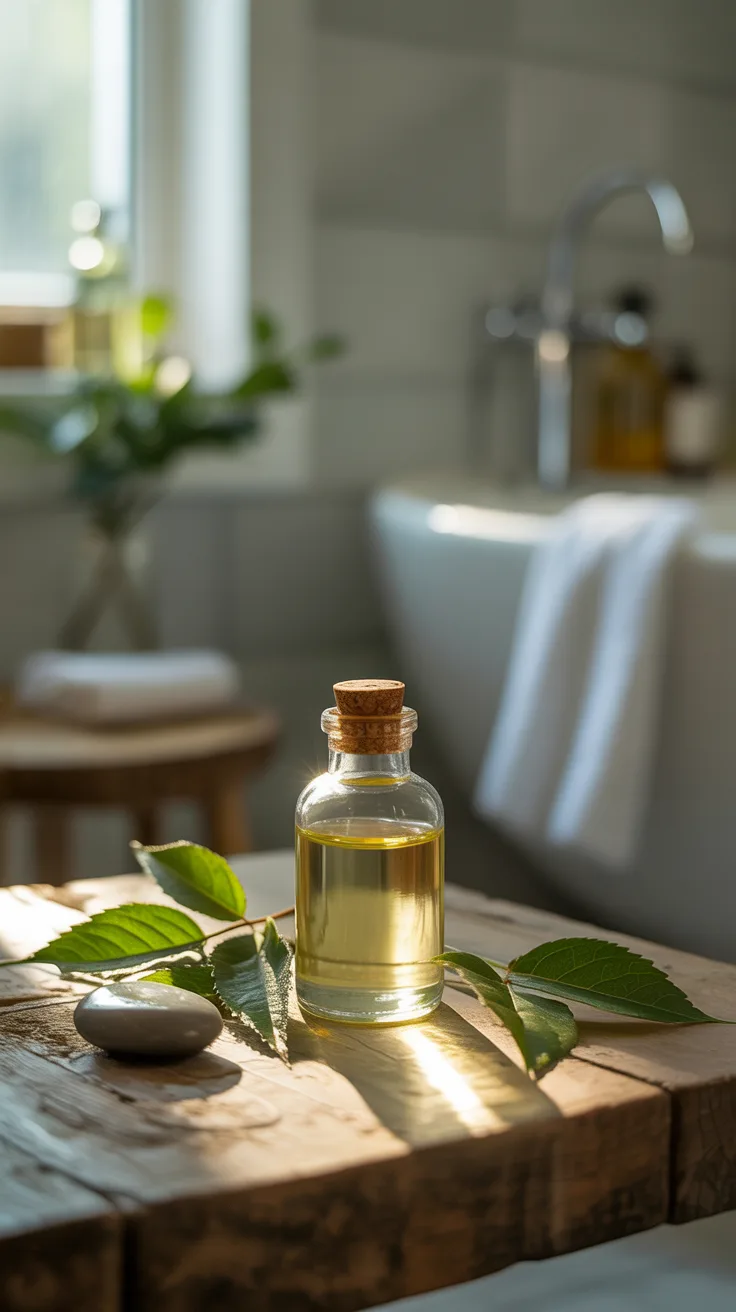
Let me tell you, once I started researching the benefits of castor oil, I understood why it’s been a skincare staple for generations. This humble oil packs a serious punch when it comes to nourishing your skin.
The star component in castor oil is ricinoleic acid, which makes up about 90% of the oil’s fatty acid content. This unique compound is responsible for most of the skin-loving benefits you’ll experience. Here’s what castor oil can do for your skin:
- Deep Moisturization: Unlike lighter oils that sit on the surface, castor oil penetrates deep into the skin layers, providing intense hydration that lasts throughout the day.
- Anti-Inflammatory Properties: If you struggle with redness, irritation, or swelling, the ricinoleic acid works to calm and soothe your skin.
- Antimicrobial Action: Castor oil can help fight off bacteria and fungi, making it particularly useful for those dealing with minor skin infections or acne.
- Promotes Healing: I’ve personally used it on minor cuts and noticed faster healing times. It creates a protective barrier while allowing the skin to breathe.
- Rich in Antioxidants: These help combat free radicals that contribute to premature aging and skin damage.

View on AmazonAs an Amazon Associate, I earn from qualifying purchases.

View on AmazonAs an Amazon Associate, I earn from qualifying purchases.
Pro Tip: For maximum absorption, apply castor oil right after a warm shower when your pores are open and your skin is slightly damp. This trick alone made a noticeable difference in how well my skin absorbed the oil.
How to Choose the Right Castor Oil
Here’s where I made my first mistake. When I initially bought castor oil, I just grabbed the cheapest bottle I could find at the drugstore. Big error. Not all castor oils are created equal, and the quality really matters when you’re putting it on your face.
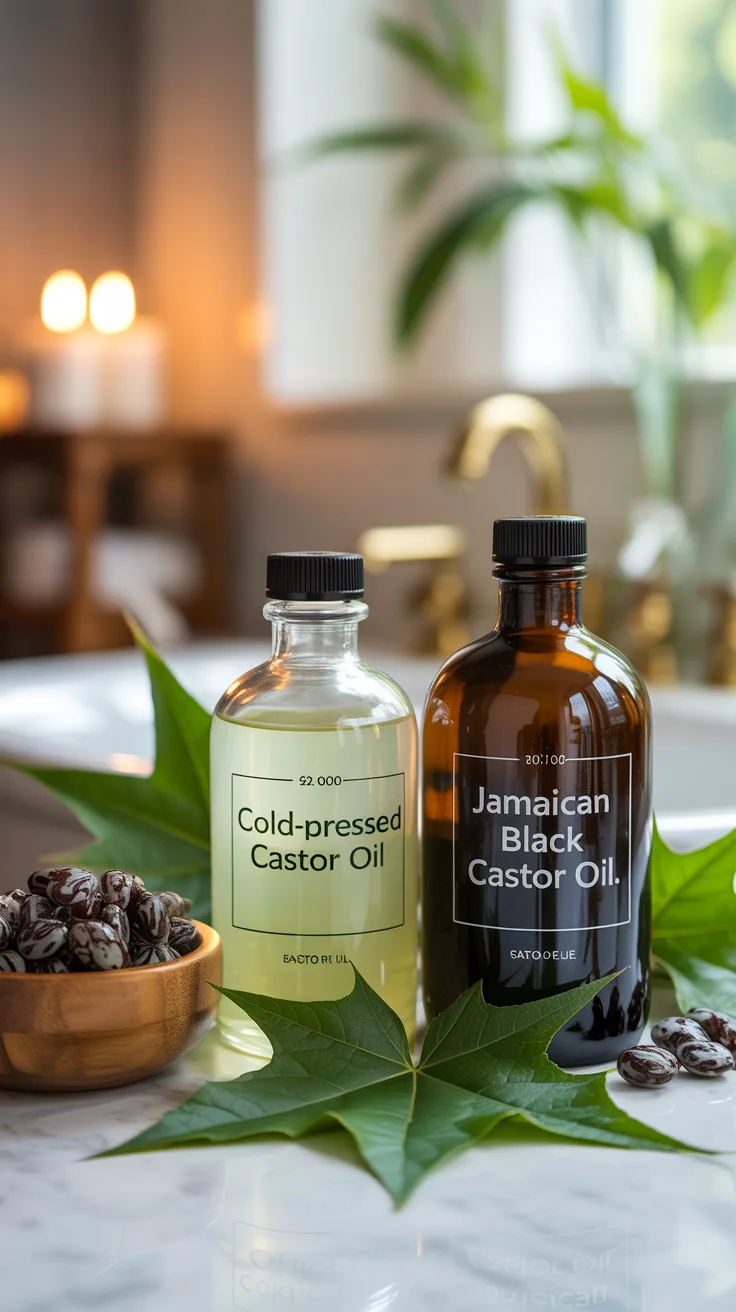
First and foremost, look for cold-pressed castor oil. This extraction method doesn’t use heat, which means the oil retains more of its beneficial nutrients and fatty acids. Heat processing can destroy many of the compounds that make castor oil so effective for skin care.
Next, always opt for organic and hexane-free options. Hexane is a chemical solvent sometimes used in oil extraction, and you definitely don’t want that residue on your skin. Organic certification ensures the castor beans were grown without harmful pesticides.
You’ll also notice that castor oil comes in different colors. Regular castor oil is pale yellow to clear, while Jamaican Black Castor Oil (JBCO) has a dark brown color and a distinctive roasted scent. JBCO is made by roasting the castor beans before extraction, which gives it slightly different properties. Both work well for skin, but I find regular cold-pressed castor oil lighter and easier to use on my face.

View on AmazonAs an Amazon Associate, I earn from qualifying purchases.

View on AmazonAs an Amazon Associate, I earn from qualifying purchases.
Pro Tip: Check the ingredient list—it should only say “Ricinus Communis (Castor) Seed Oil.” If you see any additives or fragrances, put it back on the shelf.
Step-by-Step Guide to Applying Castor Oil
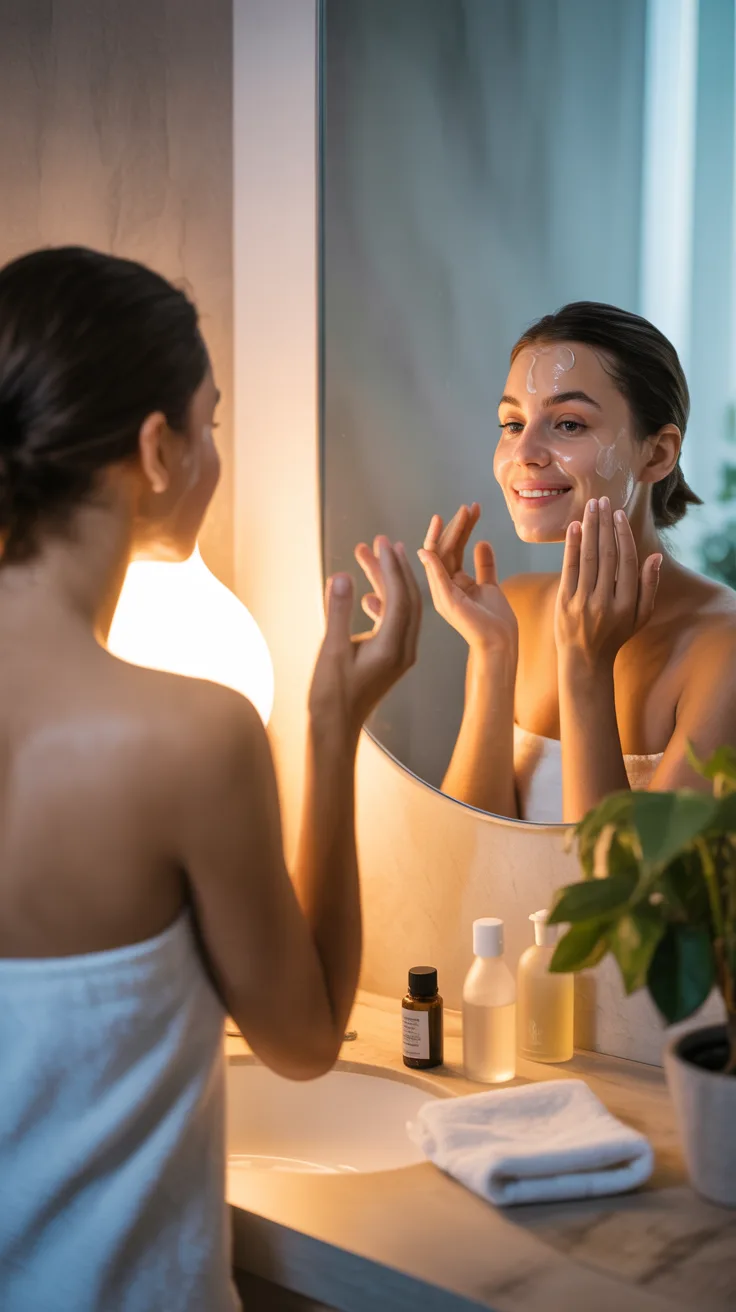
Applying castor oil for skin correctly makes all the difference between glowing results and a greasy mess. Trust me, I learned this the hard way when I first slathered way too much on my face and woke up looking like an oil slick.
Here’s the method that works best for me:
- Start with Clean Skin: Wash your face with a gentle cleanser to remove makeup, dirt, and impurities. Pat dry with a clean towel, leaving your skin slightly damp.
- Warm the Oil: Pour a small amount (about the size of a pea for your face) into your palms and rub them together. This warms the oil and makes it easier to spread.
- Apply in Circular Motions: Gently massage the oil into your skin using upward, circular movements. Focus on dry areas but don’t neglect your neck!
- Give It Time to Absorb: Let the oil sit for at least 15-20 minutes. I usually do this before bed so it can work its magic overnight.
- Remove Excess if Needed: If you’ve applied too much or need to go out, gently blot with a warm, damp washcloth.
For body application, you can be more generous with the amount. I love using it on my elbows, knees, and heels—areas that tend to get rough and dry.
Pro Tip: If you find pure castor oil too thick, mix it with a lighter carrier oil like jojoba or sweet almond oil in a 1:1 ratio. This makes application smoother while still delivering benefits.
Precautions and Side Effects
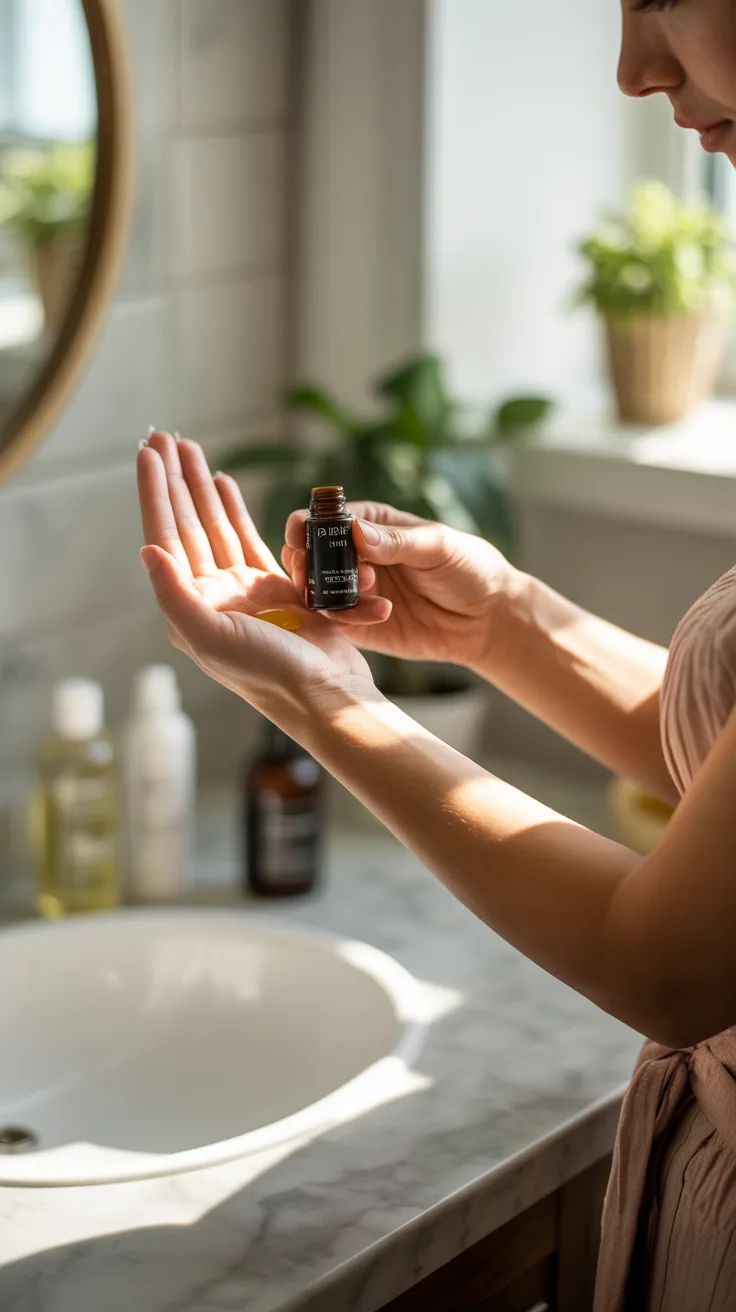
While castor oil is generally safe for most people, I always recommend proceeding with caution, especially if you have sensitive skin. I once skipped the patch test and ended up with an itchy rash on my cheek—lesson learned!
Before applying castor oil to your face, do a patch test on your inner forearm. Apply a small amount and wait 24 hours. If you experience any redness, itching, burning, or swelling, castor oil might not be right for you.
People with very oily or acne-prone skin should use castor oil sparingly. While it has antimicrobial properties, it’s also comedogenic, meaning it can potentially clog pores if overused. Start with once a week and see how your skin responds.
Pregnant women should consult their healthcare provider before using castor oil, as it has historically been used to induce labor when taken internally. While topical use is generally considered safe, it’s always better to check first.
Pro Tip: If you’re introducing castor oil into your routine, start slow. Use it once or twice a week initially, then gradually increase frequency based on how your skin reacts.
DIY Castor Oil Skin Treatments
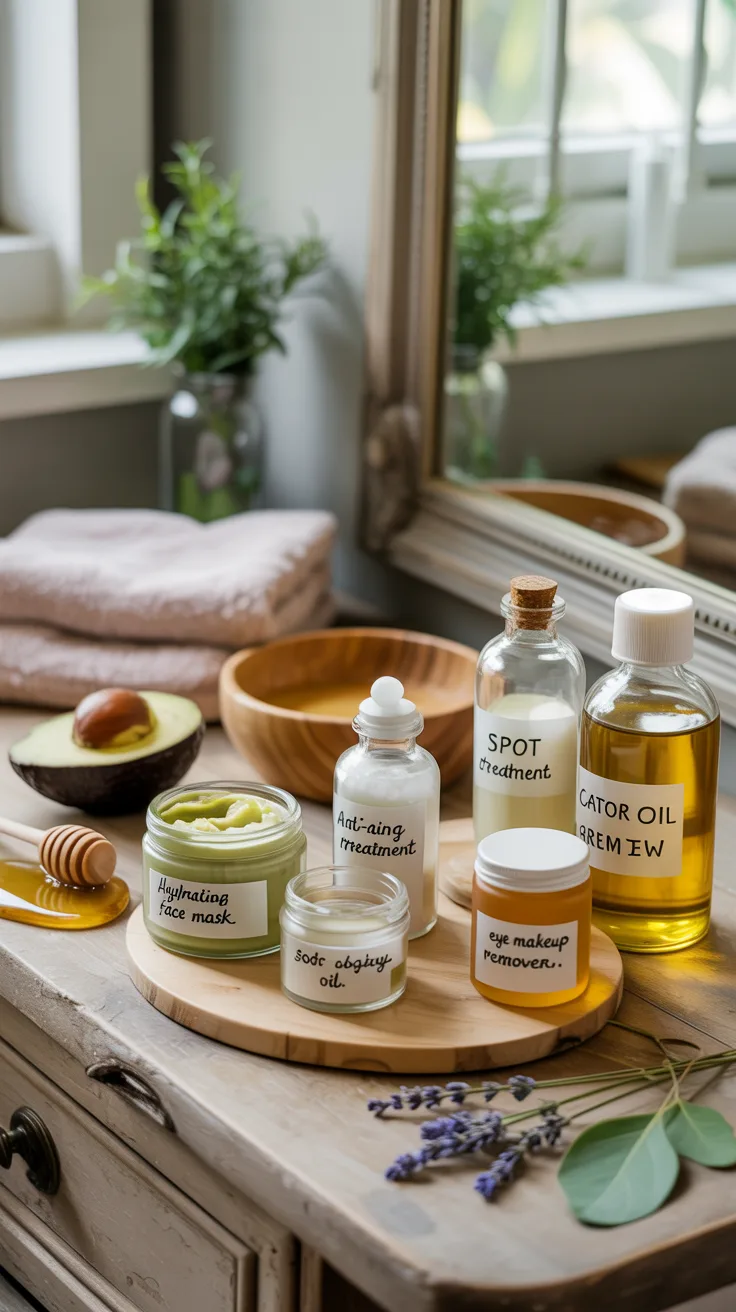
One of my favorite things about castor oil is how versatile it is for homemade skincare treatments. I’ve experimented with dozens of recipes over the years, and these are the ones I keep coming back to:
- Hydrating Face Mask: Mix one tablespoon of castor oil with one tablespoon of raw honey and half a mashed avocado. Apply to clean skin, leave for 15-20 minutes, then rinse with warm water. Your skin will feel incredibly soft and nourished.
- Spot Treatment for Blemishes: Combine a few drops of castor oil with 2-3 drops of tea tree essential oil. Apply directly to pimples before bed using a cotton swab. The antimicrobial properties of both oils work together to reduce inflammation.
- Anti-Aging Night Serum: Blend one tablespoon of castor oil with the contents of two vitamin E capsules and 3-4 drops of rosehip oil. Store in a dark glass bottle and apply a few drops nightly.
- Soothing Body Oil: Mix half a cup of castor oil with half a cup of coconut oil and a few drops of lavender essential oil. This is perfect for dry winter skin or after-sun care.
- Gentle Eye Makeup Remover: Use a small amount of pure castor oil on a cotton pad to dissolve stubborn waterproof mascara. It’s gentle enough for the delicate eye area and conditions your lashes at the same time.
Pro Tip: Always make small batches of DIY treatments and use them within a week or two. Fresh ingredients mean better results and less risk of bacterial growth.
Frequently Asked Questions
Can castor oil be used on all skin types?
Yes, castor oil can work for most skin types, but the key is adjusting how you use it. Those with dry skin can apply it more liberally, while people with oily or combination skin should use smaller amounts and perhaps mix it with a lighter oil. Always do a patch test first to ensure you don’t have a sensitivity.
How often should I apply castor oil to my skin?
I recommend starting with 2-3 times per week and adjusting based on your skin’s response. Some people with very dry skin use it daily, while others find that once or twice weekly is plenty. Listen to your skin—it’ll tell you what it needs.
Is castor oil safe for sensitive skin?
Generally yes, but sensitive skin requires extra caution. Always perform a patch test and consider diluting the castor oil with a gentler carrier oil like jojoba. If you have conditions like eczema or rosacea, consult with a dermatologist before adding castor oil to your routine.
What are the signs of an allergic reaction to castor oil?
Watch for redness, itching, hives, swelling, or a burning sensation. These symptoms usually appear within a few hours of application. If you experience any of these, wash the area immediately with mild soap and water, and discontinue use.
Can castor oil help with acne?
It can, thanks to its antimicrobial and anti-inflammatory properties. However, results vary from person to person. Some people find it helps clear their skin, while others experience breakouts. If you’re acne-prone, use it sparingly and monitor your skin closely for the first few weeks.