
Introduction
I still remember the first time I discovered castor oil sitting in my grandmother’s bathroom cabinet. She swore by it for everything—from keeping her skin soft during harsh winters to maintaining her thick, beautiful hair well into her seventies. At the time, I dismissed it as an old-fashioned remedy, but years later, I found myself reaching for that same golden liquid when nothing else seemed to work for my dry, brittle hair.
If you’re new to the world of natural oils and wondering what all the fuss is about, you’re in the right place. This guide will walk you through everything you need to know about castor oil, from its ancient origins to practical ways you can incorporate it into your daily routine. Trust me, once you understand its versatility, you’ll wonder how you ever lived without it.

What is Castor Oil?
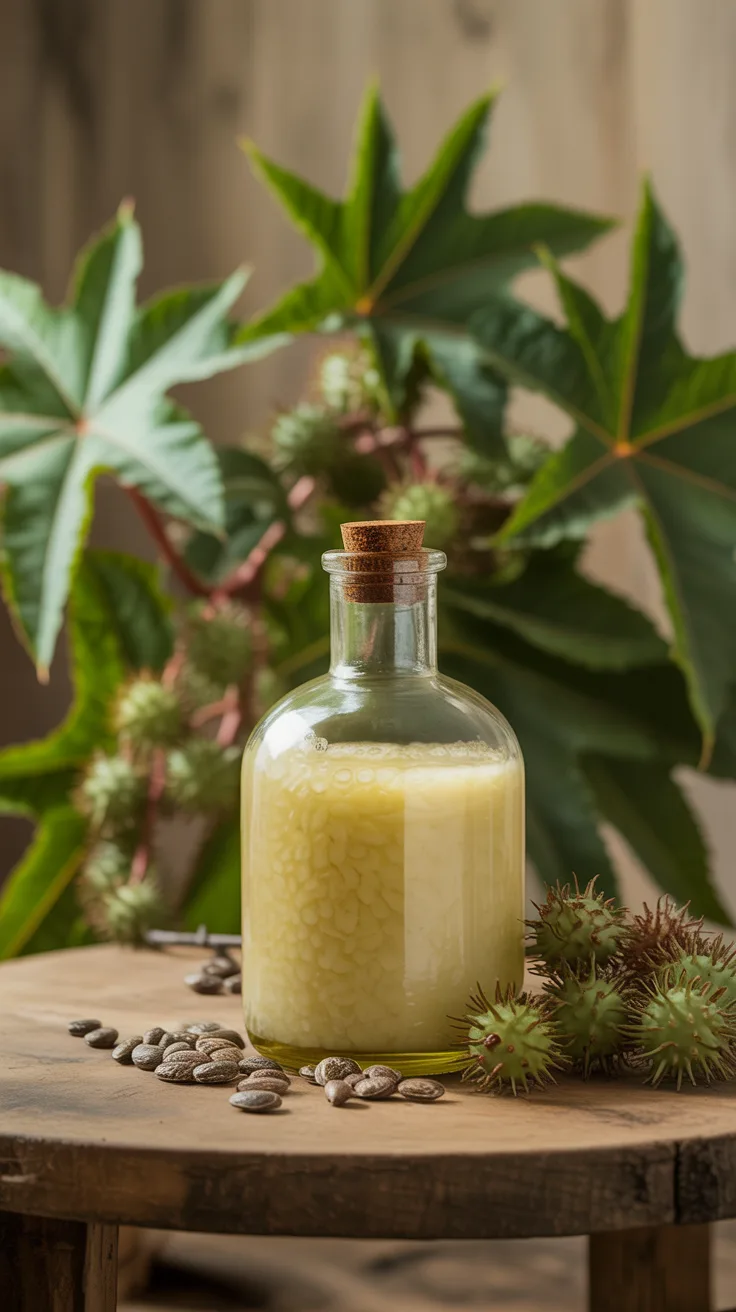
Castor oil is a thick, pale yellow vegetable oil extracted from the seeds of the Ricinus communis plant, commonly known as the castor bean plant. Native to tropical regions of Africa and India, this remarkable plant has been cultivated for thousands of years. Ancient Egyptians used castor oil as fuel for their lamps and as a natural remedy for various ailments—there’s even evidence of its use dating back to 4000 BC.
What makes castor oil unique is its chemical composition. It contains an unusually high concentration of ricinoleic acid—about 90% of its fatty acid content. This particular fatty acid is responsible for most of the oil’s beneficial properties, including its anti-inflammatory and moisturizing effects. The oil’s thick, viscous consistency might seem off-putting at first, but that density is actually what makes it so effective at coating and protecting skin and hair.
I’ll be honest—the first time I used castor oil, I was surprised by how sticky it felt. It’s definitely not like the lightweight oils you might be used to. But once I learned how to use it properly (more on that later), I realized that thickness is actually a feature, not a bug.

View on AmazonAs an Amazon Associate, I earn from qualifying purchases.
View on AmazonAs an Amazon Associate, I earn from qualifying purchases.
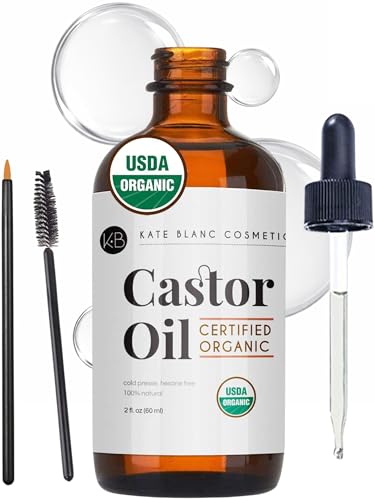
Pro Tip: If you’re curious about the quality of your castor oil, hold it up to the light. High-quality, cold-pressed castor oil should have a clear, pale yellow color with no cloudiness or sediment at the bottom.
Benefits of Castor Oil
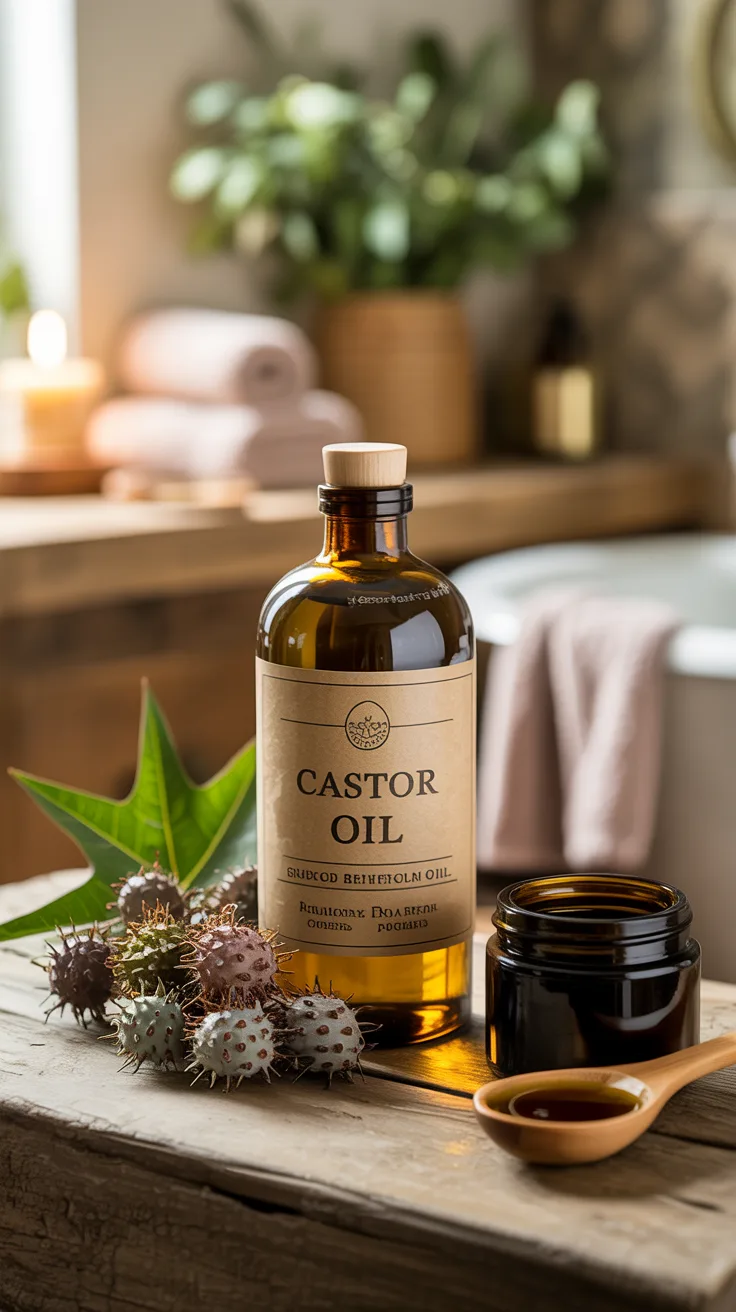
The benefits of castor oil extend far beyond what my grandmother used it for. Modern research has begun to validate many traditional uses, and people around the world continue to discover new applications. Here’s what makes this oil so special:
- Deep Skin Moisturization: Unlike water-based moisturizers that evaporate quickly, castor oil creates a protective barrier on the skin that locks in moisture for hours. This makes it particularly effective for extremely dry or cracked skin, including rough patches on elbows, knees, and heels.
- Hair Growth and Strengthening: The ricinoleic acid in castor oil increases blood circulation to the scalp, which may promote healthier hair growth. It also coats the hair shaft, reducing breakage and adding shine.
- Natural Laxative Properties: When taken orally in small doses, castor oil stimulates the intestines and can provide relief from occasional constipation. This is one of its oldest documented uses.
- Anti-Inflammatory Effects: Studies have shown that ricinoleic acid possesses anti-inflammatory properties, making castor oil useful for soothing sore muscles and reducing joint discomfort.
- Wound Healing Support: The oil creates a moist environment that can help minor cuts and abrasions heal while protecting them from bacteria.
- Eyelash and Eyebrow Conditioning: Many people report thicker, healthier-looking lashes and brows after consistent castor oil application.

View on AmazonAs an Amazon Associate, I earn from qualifying purchases.
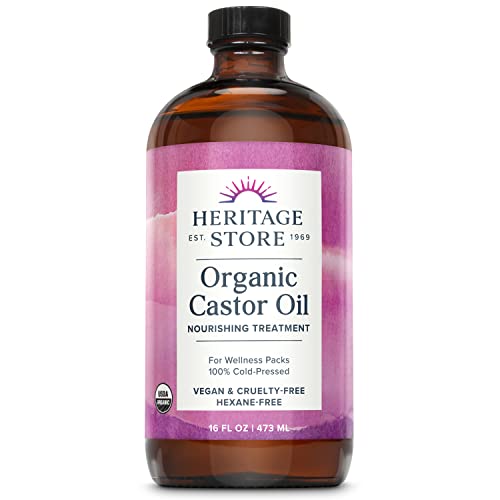
View on AmazonAs an Amazon Associate, I earn from qualifying purchases.
I started using castor oil specifically for my eyebrows after over-plucking them in my twenties (a mistake I deeply regret). While results vary from person to person, I noticed my brows looking fuller and healthier after about two months of nightly application.
Pro Tip: Keep a small journal or take photos to track your progress when using castor oil for hair or skin improvements. Changes happen gradually, and it’s easy to forget where you started.
How to Use Castor Oil
One of the biggest mistakes I made when I first started using castor oil was applying way too much. A little goes a long way with this product, and using it correctly makes all the difference in your experience. Here’s how to use it for different purposes:
For Skin Care
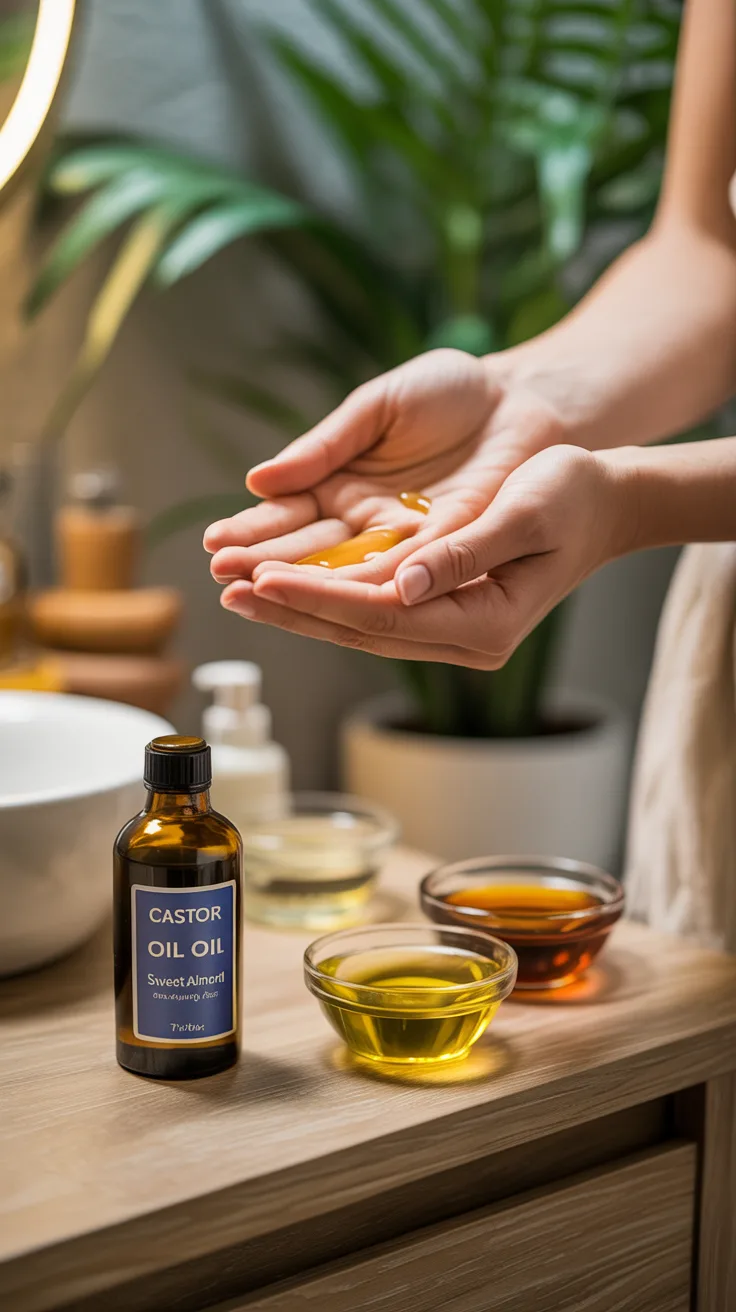
- Start with clean, slightly damp skin—the moisture helps the oil absorb better
- Warm a few drops between your palms
- Gently massage into dry areas using circular motions
- For best results, apply before bed and let it work overnight
- Consider mixing with a lighter carrier oil like jojoba or sweet almond oil if you find pure castor oil too heavy
For Hair and Scalp
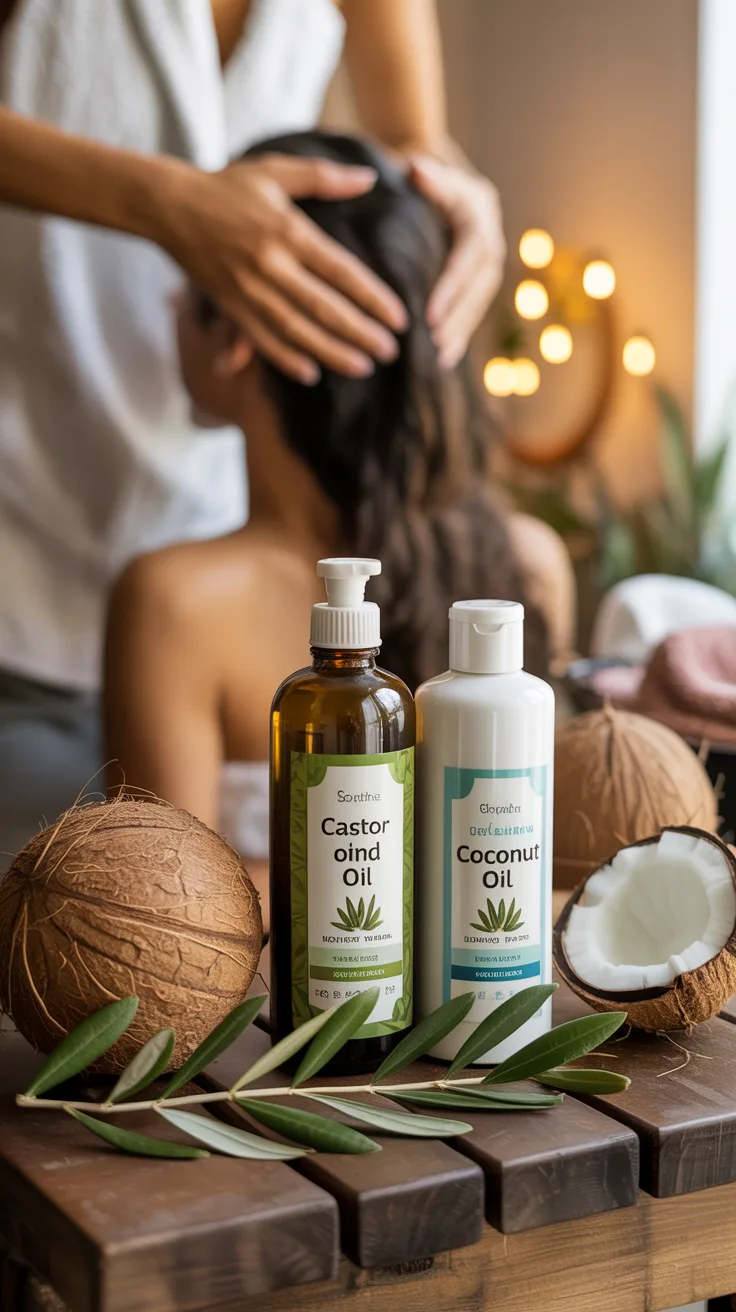
- Mix castor oil with an equal part of coconut or olive oil to make application easier
- Section your hair and apply the mixture directly to your scalp
- Massage gently for 5-10 minutes to stimulate blood flow
- Work any remaining oil through the lengths of your hair
- Cover with a shower cap and leave for at least 2 hours or overnight
- Shampoo thoroughly—you may need to wash twice to remove all the oil
For Eyebrows and Eyelashes
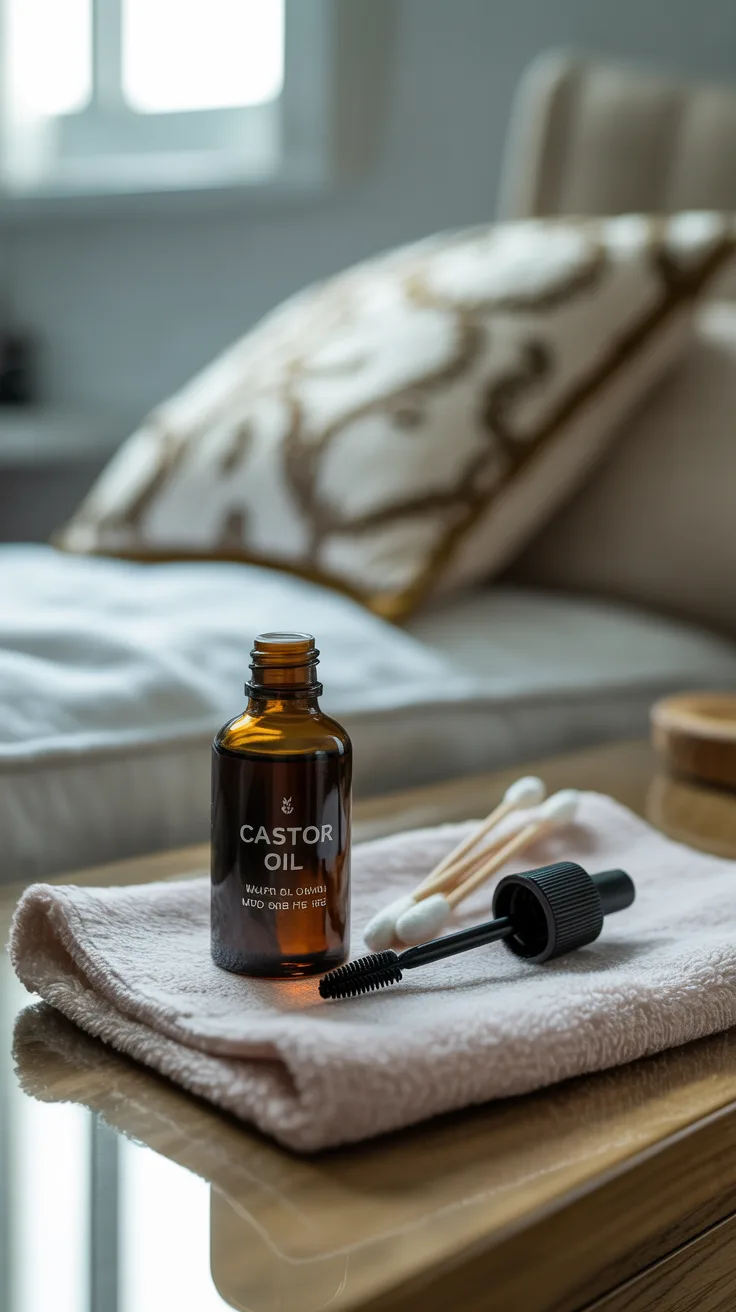
- Clean a mascara wand or use a clean cotton swab
- Dip into a small amount of castor oil
- Apply carefully to lashes and brows, avoiding getting oil in your eyes
- Leave overnight and rinse in the morning

View on AmazonAs an Amazon Associate, I earn from qualifying purchases.

View on AmazonAs an Amazon Associate, I earn from qualifying purchases.
Pro Tip: When using castor oil for hair treatments, place an old towel on your pillow to protect your bedding. I learned this the hard way after ruining a favorite pillowcase!
Safety and Precautions
While castor oil is generally safe for most people, it’s important to use it responsibly. I always recommend a cautious approach, especially if you’re trying it for the first time.
Before applying castor oil to your face or any large area of skin, perform a patch test. Apply a small amount to the inside of your wrist or elbow and wait 24 hours. If you notice any redness, itching, or irritation, castor oil may not be right for you.
Pregnant women should avoid ingesting castor oil, as it has historically been used to induce labor and could potentially cause complications. If you’re pregnant or nursing, consult your healthcare provider before using castor oil in any form.
When it comes to internal use, never take castor oil without first speaking to a doctor. While it’s an effective laxative, improper use can lead to dehydration, electrolyte imbalances, and dependency.
Potential Side Effects
Though most people tolerate castor oil well, some may experience adverse reactions:
- Skin irritation or allergic reactions: Redness, itching, or rash at the application site
- Digestive discomfort: Cramping, nausea, or diarrhea when ingested
- Dizziness or weakness: Particularly if taken internally in large amounts
- Eye irritation: If castor oil accidentally gets into your eyes during lash application
- Acne breakouts: Some people find that castor oil clogs their pores, especially on the face
Where to Buy Castor Oil
Finding quality castor oil is easier than ever, but not all products are created equal. You can purchase castor oil at health food stores, pharmacies, beauty supply shops, and online retailers like Amazon or iHerb.
When shopping, look for these indicators of quality:
| Feature | What to Look For | Why It Matters |
|---|---|---|
| Extraction Method | Cold-pressed | Preserves nutrients and beneficial compounds |
| Certification | Organic, USDA certified | Ensures no pesticides or harmful chemicals |
| Purity | 100% pure, no additives | Maximum effectiveness, no fillers |
| Packaging | Dark glass bottle | Protects oil from light degradation |
| Color | Pale yellow, clear | Indicates proper processing and freshness |
Expect to pay between $8-20 for a quality bottle of castor oil. While cheaper options exist, investing in a good product ensures you’re getting the full benefits without potentially harmful additives.
Pro Tip: Jamaican Black Castor Oil is a popular variant that’s roasted before extraction, giving it a darker color and slightly different properties. It’s particularly favored for hair care, especially for thicker or coarser hair types.
Frequently Asked Questions
Can castor oil be used on all skin types?
Yes, castor oil can work for most skin types, but those with oily or acne-prone skin should use it sparingly and avoid applying it to the face. Always perform a patch test first to ensure you don’t have a sensitivity.
How often should I use castor oil for hair growth?
For most people, applying castor oil to the scalp 1-2 times per week is sufficient. Using it more frequently won’t necessarily speed up results and may lead to product buildup that’s difficult to wash out.
Is castor oil safe to ingest?
While castor oil has been used as a laxative for centuries, you should only ingest it under the guidance of a healthcare professional. Improper use can cause serious digestive issues and dehydration.
What should I look for when buying castor oil?
Choose cold-pressed, organic, 100% pure castor oil packaged in a dark glass bottle. Check the ingredient list to ensure there are no additives, fragrances, or fillers.
Does castor oil have an expiration date?
Yes, castor oil typically lasts 1-2 years when stored properly in a cool, dark place. If your oil develops an off smell, changes color significantly, or becomes cloudy, it’s time to replace it.